
By Dustin Stone, Debbie Carson and Lea Mira, RTN staff writers, RTN staff writers - 6.24.2026
For years, restaurant loyalty programs were largely transactional. Guests earned points, accumulated rewards and redeemed offers. While those programs helped drive repeat visits, they often provided only a limited view of customer behavior and offered few opportunities for meaningful personalization. Today, however, restaurant operators are increasingly looking beyond traditional loyalty models and focusing on a broader objective: building stronger, more profitable relationships with their guests.
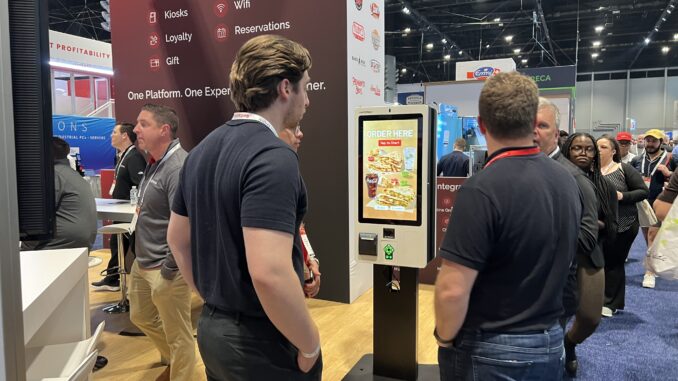
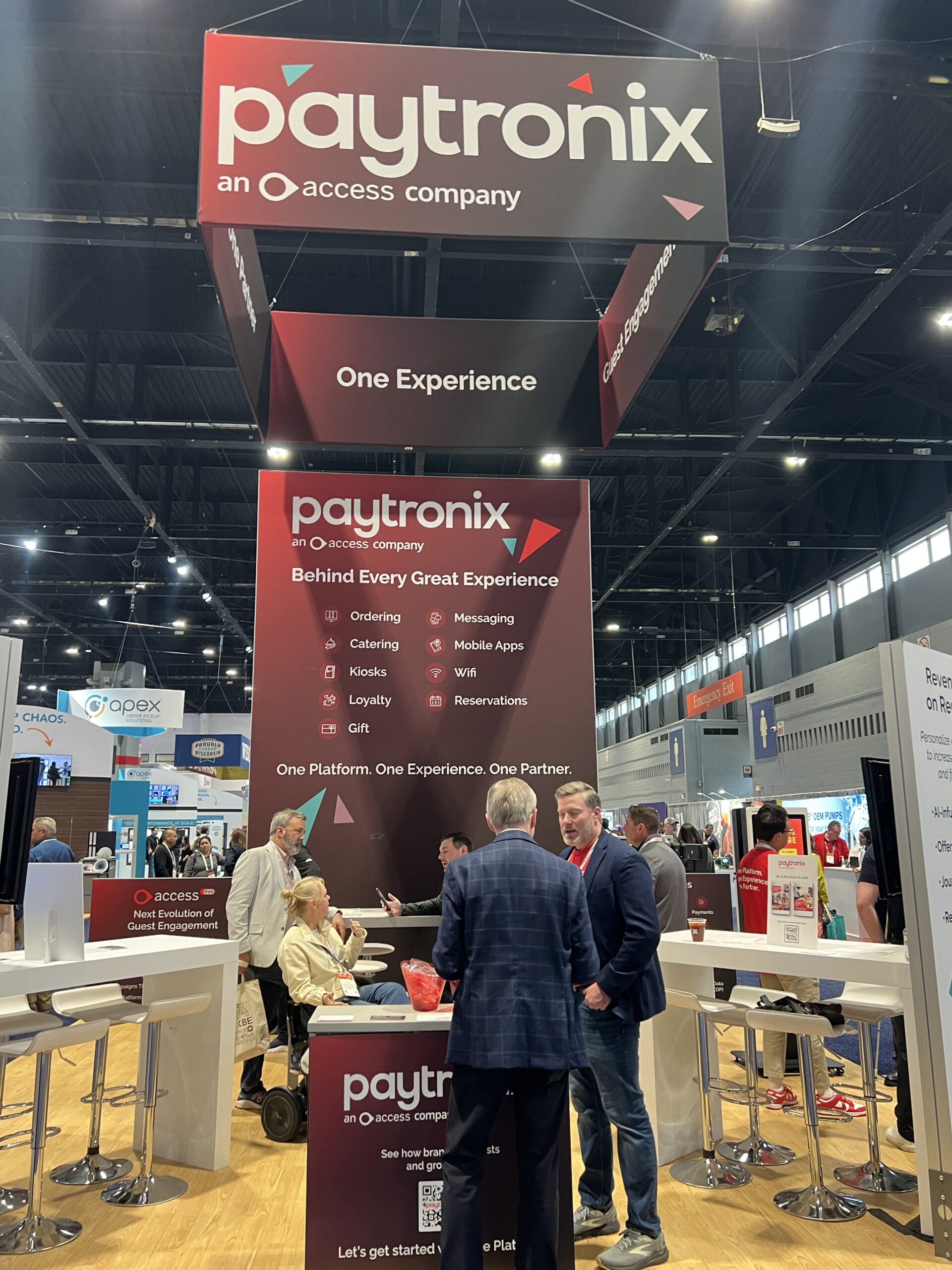
That shift was evident at this year’s National Restaurant Association Show, where exhibitors showcased technologies designed to help restaurants better understand, engage and retain customers. Among them was Paytronix, which highlighted its expanding Guest Engagement Platform encompassing loyalty, online ordering, omnichannel messaging, guest intelligence, payments and artificial intelligence-powered marketing capabilities. The company’s presence reflected one of the most important trends shaping restaurant technology today: the growing importance of first-party customer data and personalized guest experiences.
The Paytronix story is no longer simply about loyalty. Increasingly, it is about helping restaurants transform customer information into actionable business intelligence. As third-party data becomes less reliable and customer acquisition costs continue rising, operators are placing greater value on their ability to understand and engage guests directly. Restaurants that can effectively collect, organize and activate customer data are often better positioned to increase visit frequency, strengthen retention and improve long-term profitability.
This evolution is changing the role loyalty programs play within restaurant organizations. Historically, loyalty initiatives were often managed as marketing tools designed primarily to encourage repeat visits. Today, they are increasingly viewed as customer intelligence platforms capable of generating insights into purchasing behavior, visit patterns, menu preferences and guest lifetime value.
For restaurant executives, these insights can be extremely valuable. Understanding which guests visit most frequently, which menu items drive repeat purchases and which promotional offers generate meaningful engagement allows operators to make more informed decisions about marketing investments and customer engagement strategies. Loyalty data becomes a strategic asset rather than simply a rewards mechanism.
Paytronix has built its platform around this concept. Through its Guest Engagement Platform, the company brings together loyalty, online ordering, guest messaging, mobile engagement, payments, gift cards, subscriptions, catering and customer intelligence into a unified ecosystem. The goal is not simply to help restaurants communicate with guests, but to help them understand who those guests are, how they engage with the brand and what actions are most likely to drive future visits and spending.
This integrated approach addresses a challenge many restaurant operators face today: customer information often resides in disconnected systems. Ordering data may live in one platform, loyalty information in another and marketing tools in a third. Paytronix seeks to unify those interactions into a single guest profile, allowing operators to view purchasing behavior, visit frequency, channel preferences, promotional responsiveness and lifetime value in a more comprehensive way.
The platform’s loyalty capabilities extend well beyond traditional points-and-rewards programs. Restaurants can create tiered loyalty structures, personalized offers, surprise-and-delight campaigns, visit-based incentives and targeted rewards designed to encourage specific guest behaviors. Rather than offering the same promotion to every customer, operators can tailor engagement strategies based on individual purchasing patterns and preferences.
Digital ordering is another important component of the platform. By connecting online ordering directly to loyalty and guest engagement programs, restaurants can strengthen direct customer relationships while reducing dependence on third-party channels. Ordering activity becomes part of a broader customer profile, giving operators additional insight into guest preferences and purchasing behavior. The platform also supports catering programs, helping operators extend customer engagement into higher-value group and event transactions.
Paytronix has also invested heavily in omnichannel communications. Restaurants can coordinate email, SMS, mobile and promotional campaigns through a unified framework designed to deliver more relevant messages at appropriate moments in the customer journey. This capability becomes increasingly valuable as operators seek to engage guests consistently across multiple touchpoints rather than relying on isolated marketing campaigns.
Artificial intelligence is becoming an increasingly important part of this strategy. The company has embedded AI-driven capabilities throughout the platform to help operators identify high-value guests, predict behavior, automate audience segmentation and optimize promotional offers. Rather than requiring marketers to manually analyze large volumes of customer data, these tools help surface actionable insights that can improve campaign performance and guest engagement.
This matters because personalization has become a critical competitive advantage. Consumers increasingly expect brands to recognize their preferences and deliver experiences that feel relevant rather than generic. Broad, one-size-fits-all promotions often generate lower engagement than targeted offers that reflect actual customer behavior. By leveraging guest data more effectively, restaurants can create communications that are more likely to drive action and strengthen customer relationships.
The implications extend well beyond marketing. Personalized engagement can influence visit frequency, average order value, guest retention and overall customer lifetime value. In an environment where acquiring new customers is often significantly more expensive than retaining existing ones, technologies that strengthen guest relationships can have a measurable impact on financial performance.
The platform also supports subscription and membership programs, an area receiving growing attention from restaurant operators seeking recurring revenue streams and stronger customer relationships. Subscription models can help increase visit frequency while providing guests with ongoing incentives to remain engaged with the brand.
Recent enhancements such as Rewards Hub further reflect the company’s focus on operational agility. The solution enables restaurant marketers to test, launch and refine loyalty initiatives more efficiently, supporting a more iterative approach to guest engagement. As competition for customer attention continues intensifying, the ability to quickly evaluate and optimize promotions can create meaningful advantages.
Collectively, these capabilities position Paytronix as something broader than a loyalty provider. The platform increasingly functions as a customer intelligence and engagement system designed to help restaurants transform guest data into measurable business outcomes, including increased frequency, stronger retention, higher lifetime value and more effective marketing performance.
Recent industry research underscores the importance of this approach. Paytronix’s 2026 Loyalty Report found that customer behavior changes significantly after the fourth visit, highlighting the importance of early engagement strategies designed to convert first-time visitors into long-term customers. The report also points to stronger retention outcomes among operators that utilize multiple engagement channels and capabilities within a unified customer platform.
First-party data sits at the center of this strategy. As privacy regulations evolve and third-party data sources become less accessible, restaurants increasingly recognize the importance of building direct relationships with customers. Loyalty programs, mobile applications, digital ordering platforms and guest engagement tools all contribute to the creation of valuable first-party data assets that operators can control, analyze and activate more effectively.
The platform is used by a broad range of restaurant brands across quick-service, fast-casual and specialty dining segments. Customer success stories highlighted in Restaurant Technology News include Jet’s Pizza, which selected Paytronix to support loyalty and guest engagement initiatives, and Cousins Subs, which expanded its customer engagement strategy using the platform. Other coverage has highlighted Paytronix initiatives involving McAlister’s Deli, Huey Magoo’s and Biscuitville, reflecting the growing role of customer intelligence and personalized engagement across the restaurant industry.
The competitive landscape includes loyalty providers, CRM vendors, digital marketing platforms and customer engagement solutions. Paytronix differentiates itself by combining multiple elements of guest engagement within a single ecosystem. Rather than focusing solely on loyalty or marketing automation, the company seeks to help restaurants manage the entire customer relationship lifecycle through data-driven engagement strategies.
Perhaps the most compelling aspect of the Paytronix story is what it reveals about the future of restaurant marketing. The industry is moving beyond mass promotions and generic campaigns toward more personalized, data-driven engagement strategies. Success increasingly depends on a restaurant’s ability to understand individual customers, anticipate preferences and deliver relevant experiences at the right time.
As restaurants continue investing in customer intelligence, artificial intelligence and first-party data strategies, the ability to transform information into meaningful guest engagement will become even more important. By helping operators connect loyalty, personalization, digital ordering, subscriptions, guest intelligence and customer insights, Paytronix is positioned at the center of that evolution. The company’s growing customer roster across quick-service, fast-casual and regional restaurant brands demonstrates how operators are increasingly treating guest data as a strategic asset rather than simply a marketing tool.
In an increasingly competitive marketplace, building stronger guest relationships may be one of the most effective ways to drive sustainable growth. Paytronix is helping restaurants pursue that goal by turning guest data into loyalty, personalization and measurable business results, demonstrating that the future of restaurant marketing is not simply about rewards programs—it is about understanding customers well enough to create experiences that keep them coming back.
