
By Dustin Stone, Debbie Carson and Lea Mira, RTN staff writers - 6.24.2026
For much of its history, Square was primarily associated with payment acceptance. The company’s compact card readers helped democratize electronic payments for millions of small businesses and changed how merchants thought about commerce technology. Today, however, Square’s role within the restaurant industry extends far beyond payments. As operators face mounting pressure to improve efficiency, manage costs, navigate labor challenges and serve guests across multiple channels, Square has evolved into a comprehensive business platform designed to help restaurants manage and optimize their operations.
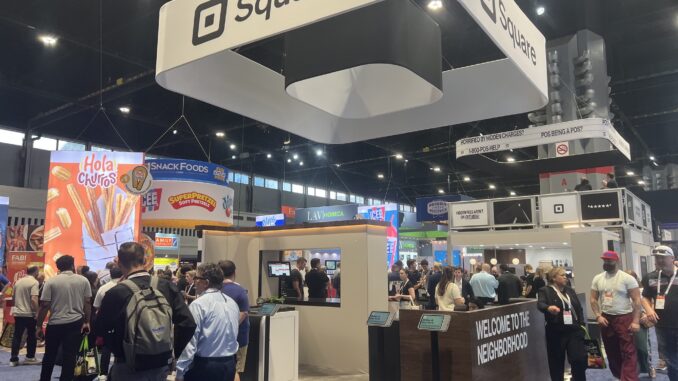
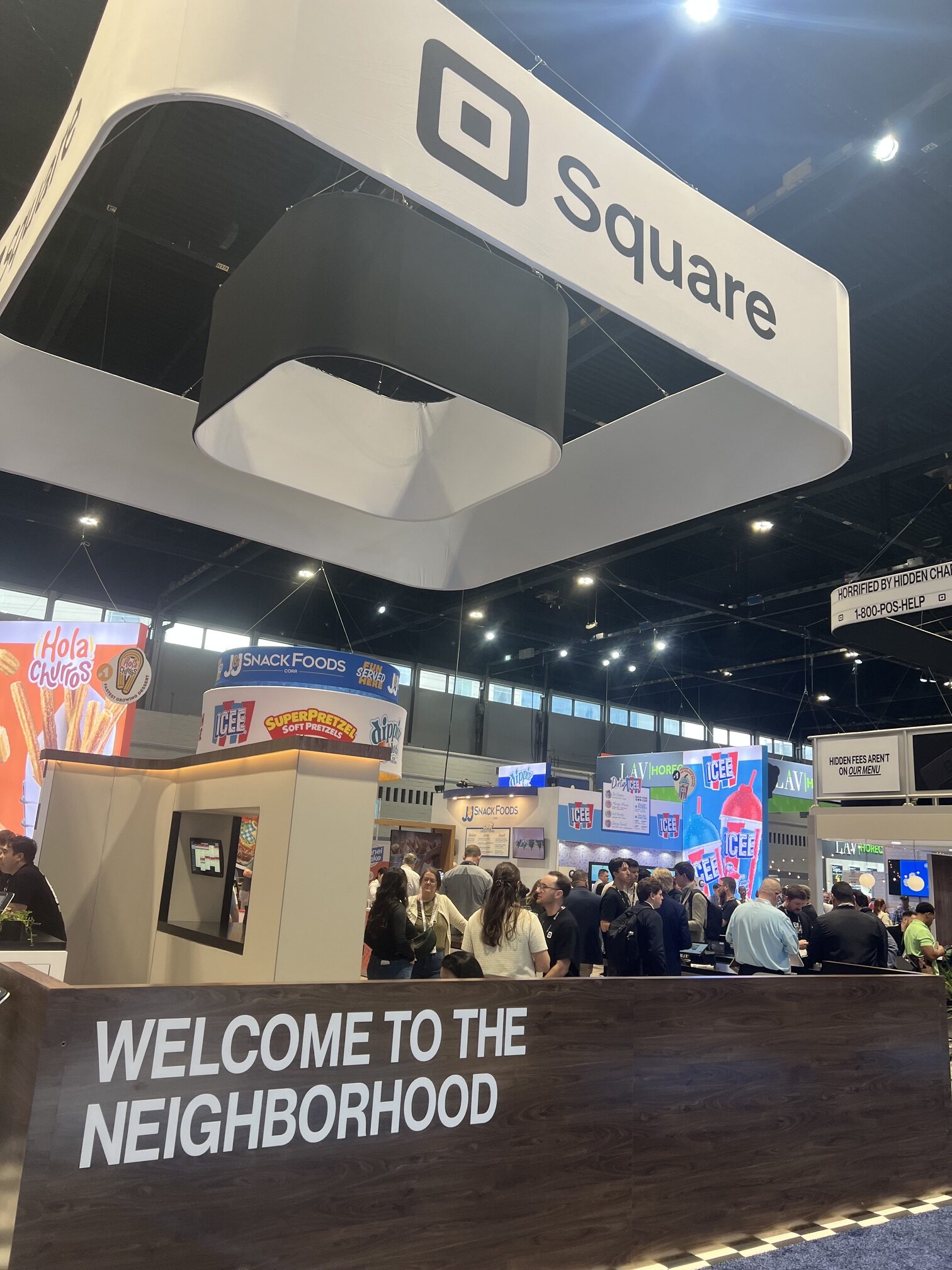 That evolution was on display at this year’s National Restaurant Association Show, where exhibitors showcased technologies designed to help operators improve performance, simplify workflows and drive growth. Among them was Square, which highlighted an expanding ecosystem of restaurant technologies spanning point-of-sale, online ordering, loyalty, marketing, payroll, team management, analytics and financial services. The company’s presence reflected a broader industry trend: restaurants increasingly want fewer disconnected systems and more unified platforms capable of supporting the entire business.
The Square story is no longer about payments. Increasingly, it is about helping restaurant operators bring commerce, operations and business intelligence together in a single environment. As restaurants manage an expanding mix of dine-in, takeout, delivery, catering and digital ordering channels, operational complexity continues to increase. Technology platforms that can consolidate information, streamline workflows and provide actionable insights are becoming increasingly valuable.
This shift is particularly important for independent restaurants and emerging multi-unit operators. Historically, many enterprise-level capabilities were available only to large restaurant organizations with significant technology budgets and dedicated IT resources. Today, operators of all sizes want access to sophisticated tools for managing labor, analyzing performance, engaging guests and improving profitability. Square has built much of its restaurant strategy around making those capabilities more accessible.
At the National Restaurant Association Show, that focus was evident in the company’s messaging around restaurant optimization and operational efficiency. Rather than emphasizing individual products, Square increasingly positions its solutions as components of a broader operating system designed to help restaurants manage their businesses more effectively.
The company’s Square for Restaurants platform sits at the center of that strategy. While point-of-sale functionality remains foundational, the platform has expanded to encompass many of the operational areas that restaurant owners and managers monitor every day. Orders, payments, menu management, reporting, labor data and customer information can all be managed through a connected environment designed to reduce administrative complexity and improve visibility across the business.
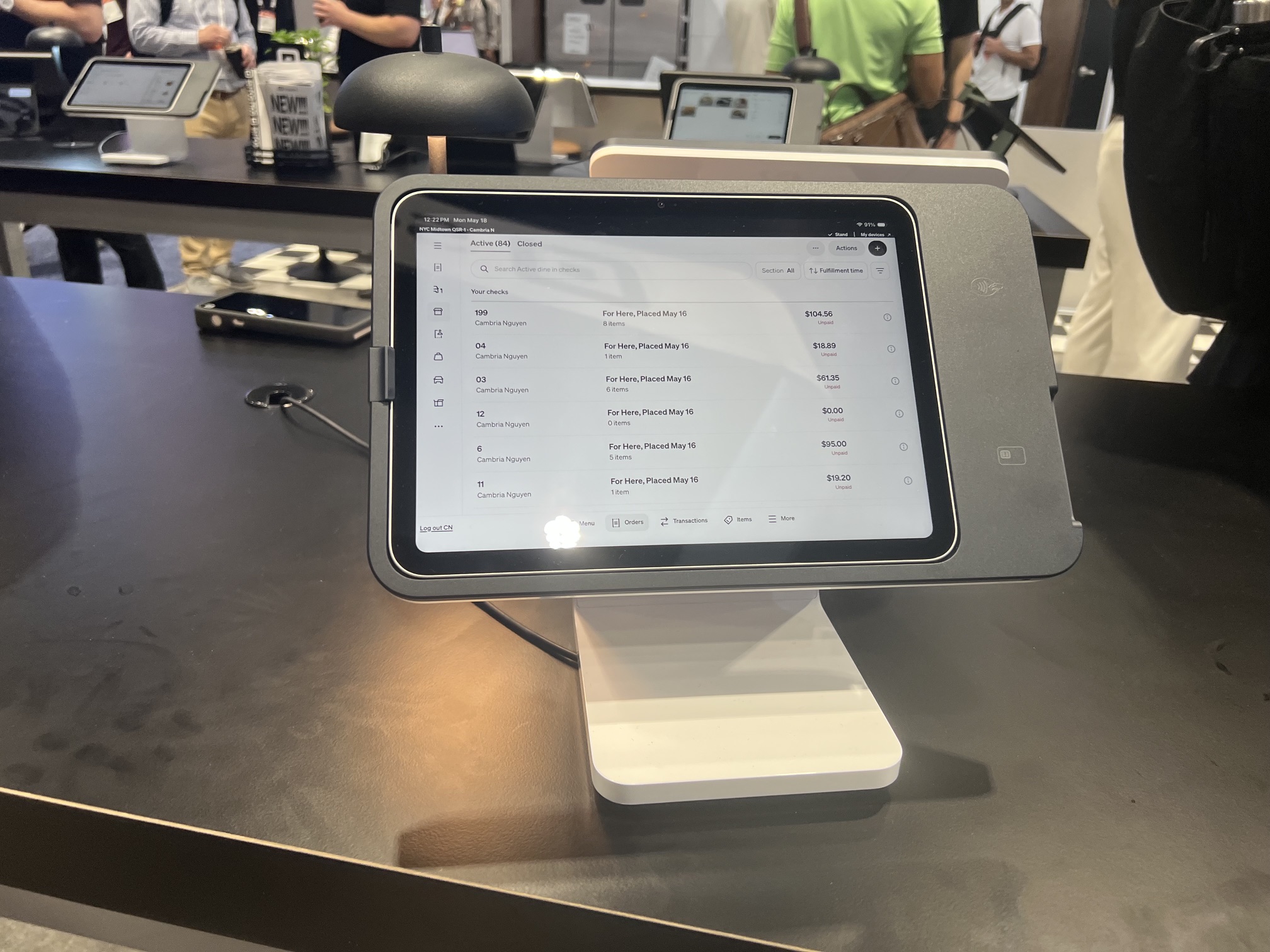 Square’s restaurant platform has expanded significantly over the past several years. What began as a payment and point-of-sale solution now encompasses a broad set of operational tools designed to support the day-to-day management of restaurant businesses. Beyond POS functionality, the platform includes online ordering, kitchen display systems, inventory management, labor and payroll tools, team management, loyalty programs, marketing automation, gift cards, customer engagement capabilities and financial services.
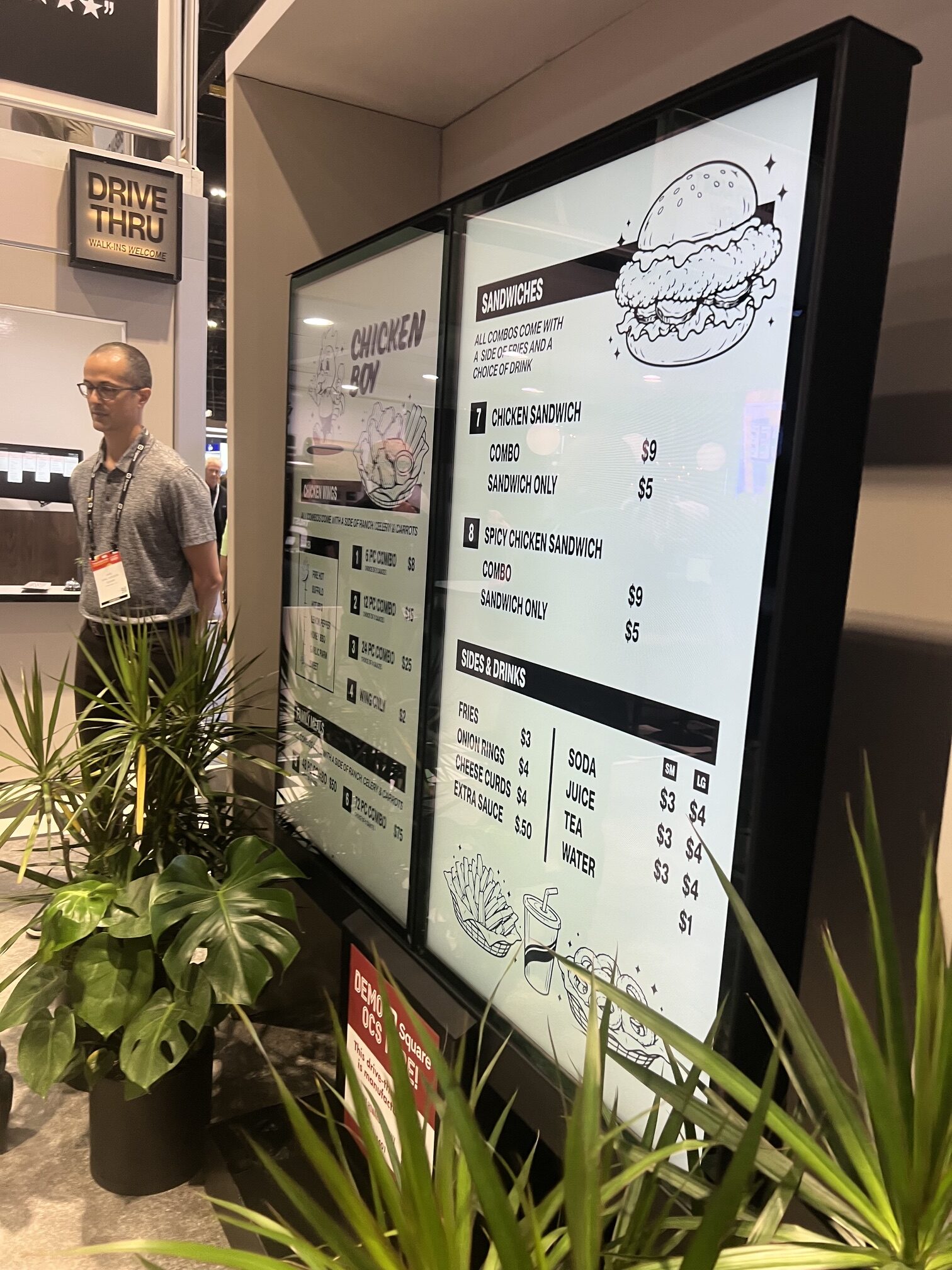
One of the company’s recent developments has been its continued investment in unified menu and commerce management. Restaurants increasingly operate across multiple channels, including in-store ordering, online ordering, delivery marketplaces and self-service experiences. Square’s multi-channel menu management capabilities help operators create, edit and synchronize menus across channels and locations from a centralized platform, reducing administrative burdens while helping maintain consistency.
The company’s Kitchen Display System (KDS) helps restaurants improve communication between front-of-house and kitchen teams while reducing reliance on paper tickets and manual workflows. Integrated ordering and kitchen operations can help improve order accuracy, speed service and provide greater visibility into preparation times. For operators managing multiple ordering channels, maintaining operational consistency across dine-in, takeout and digital orders has become increasingly important. Because Square KDS is connected directly to ordering channels and restaurant workflows, it provides a more unified operational view than standalone kitchen systems.
 Inventory and menu management capabilities provide another layer of operational control. Restaurants can track sales performance at the item level, identify top-performing menu items and better understand how menu mix affects profitability. Combined with labor reporting and sales analytics, these tools help operators make more informed decisions about staffing, pricing and menu strategy. Recent additions to Square’s inventory capabilities further reflect the company’s efforts to help operators gain better visibility into ingredient usage, inventory levels and purchasing requirements.
Square has also invested heavily in workforce management. Through scheduling, timekeeping, payroll and team-management solutions, restaurant operators can manage employee administration within the same ecosystem used to run daily operations. This integration provides greater visibility into labor costs while reducing the need to move information between multiple systems. For an industry where labor remains one of the largest operating expenses, that visibility can be particularly valuable.
Customer engagement represents another major component of the platform. Through loyalty, marketing and customer relationship tools, restaurants can build direct relationships with guests and encourage repeat business. Rather than viewing transactions as isolated events, operators can better understand purchasing behavior, visit frequency and engagement patterns. These insights can support more effective marketing efforts, stronger guest retention strategies and more personalized customer experiences.
Financial services extend the platform beyond traditional restaurant technology. Square Banking, cash-flow management tools, business financing and lending services help operators manage financial activities through the same ecosystem they use to run daily operations. Rather than viewing payments, operations and finance as separate functions, Square increasingly positions them as interconnected elements of a single operating environment.
Business intelligence ties all of these capabilities together. Restaurant operators generate enormous amounts of operational data every day, yet many struggle to convert that information into actionable insights. Square’s reporting and analytics capabilities provide visibility into sales trends, labor performance, menu mix, channel profitability, customer behavior and operational efficiency. The objective is not simply to collect data, but to help operators identify opportunities to improve profitability and optimize performance.
This emphasis on restaurant optimization aligns closely with findings from a Square-sponsored research report independently produced by Starfleet Research. The Restaurant Optimization Playbook, based on responses from more than 350 restaurant operators, explored how restaurants are leveraging technology to improve efficiency, profitability and guest experiences in an increasingly challenging operating environment. The research highlighted a broader industry shift: restaurant technology investments are increasingly being evaluated based on measurable business outcomes rather than standalone automation initiatives.
One of the most compelling aspects of the Square platform is its approach to unified commerce. Modern restaurants no longer operate through a single channel. Guests may place orders in person, online, through mobile devices or via third-party marketplaces. They may purchase gift cards, participate in loyalty programs or engage with brands through digital marketing campaigns. Each interaction generates valuable information that can help operators better understand customer behavior and business performance.
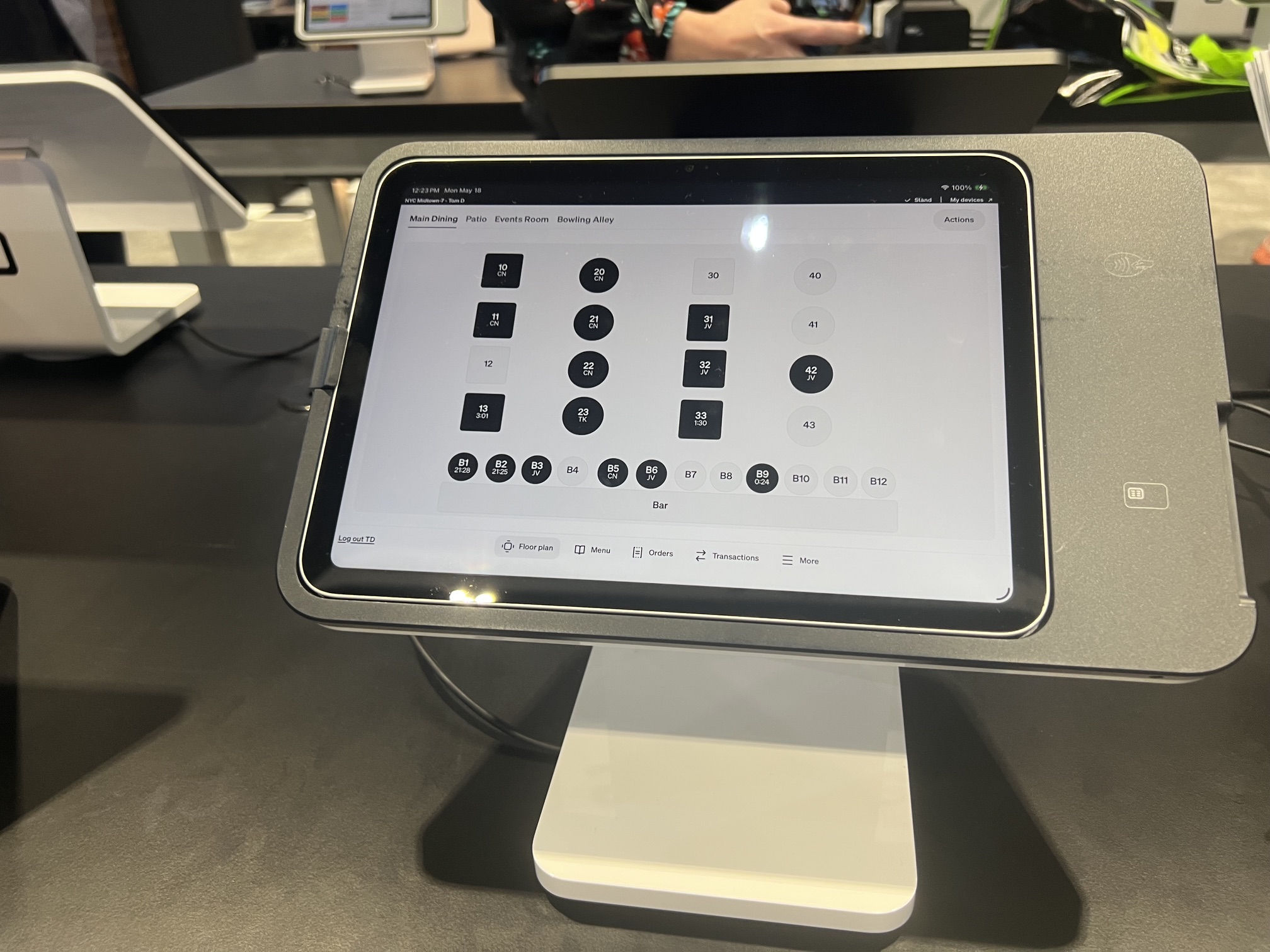 Square’s platform seeks to bring those interactions together. By connecting transactions, customer activity and operational data, the company helps restaurants create a more complete picture of how the business is performing across channels. This integrated approach allows operators to spend less time reconciling information across multiple systems and more time focusing on strategic decision-making.
The platform’s broad adoption across the restaurant industry reflects the growing demand for this type of unified approach. Square serves independent restaurants, quick-service concepts, fast-casual operators, cafés, bakeries and emerging multi-unit brands. Across these segments, common priorities continue to emerge: operational efficiency, guest engagement, profitability and visibility into business performance. For many restaurant operators, the appeal is not only the number of tools Square offers, but the ability to manage more of the business through a familiar, connected platform that can scale as the operation grows.
The competitive landscape includes POS providers, restaurant management platforms, payroll companies, loyalty vendors, marketing providers and financial technology firms. Square differentiates itself through the breadth of its ecosystem and its ability to connect multiple operational functions within a unified environment. Rather than focusing on a single category, the company increasingly seeks to serve as a central operating platform for restaurant businesses.
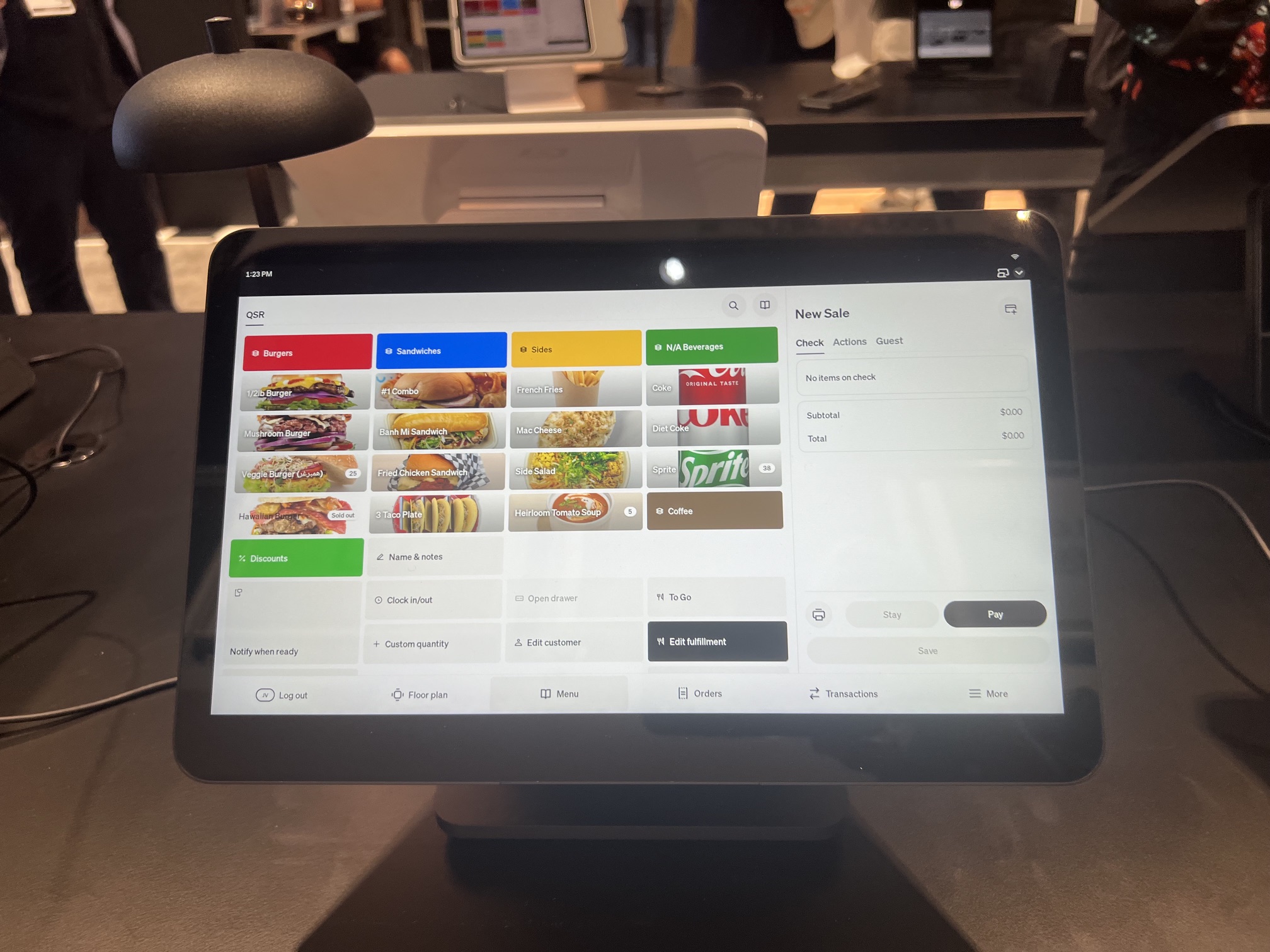 Perhaps the most compelling aspect of the Square story is what it reveals about the future of restaurant technology. The industry is moving beyond individual software categories toward more connected operational ecosystems. Payments, commerce, labor management, guest engagement, reporting and financial services are becoming increasingly interconnected. Operators are looking for technology partners capable of helping them manage that complexity while improving business performance.
As restaurants continue navigating labor challenges, margin pressure and changing consumer expectations, the need for integrated operational platforms is likely to grow. By connecting commerce, operations and business intelligence within a single ecosystem, Square is helping restaurants simplify technology management while gaining greater visibility into how their businesses perform.
In an increasingly competitive marketplace, that visibility can be a major advantage. Square’s evolution from payments provider to comprehensive restaurant operating platform reflects a broader shift occurring throughout the industry: technology is no longer simply supporting restaurant operations. It is increasingly helping define how successful restaurants operate, grow and compete. That combination of accessibility, breadth and operational visibility gives Square a strong position as more restaurants look to modernize their technology stacks without adding unnecessary complexity.
