
By Joe Comer, CEO of Custom Channels - 7.3.2026
Restaurant operators have spent years finding ways to measure and optimize nearly every stage of the customer journey. From mobile app engagement and online ordering behavior to loyalty participation, email performance, coupon redemption, customer sentiment, and social media interactions, virtually every digital touchpoint has become trackable, data-driven, and increasingly personalized.
One key part of the guest experience, however, has remained largely outside that ecosystem: the audio experience inside the restaurant.
Traditionally, in-store audio has been viewed as an atmospheric element—music intended to create the right ambiance, reflect the brand, and enhance the dining environment. While operators understood its importance, they had little ability to measure its impact or connect it to tangible business outcomes.
That is beginning to change.
New connected engagement technologies like Custom Channels’ In-Store Open Media Platform are turning in-store audio into an active, measurable customer engagement channel that can influence loyalty participation, promotional response, and repeat visits. This shift comes at a critical time, as restaurant operators face growing pressure to increase guest frequency, strengthen direct customer relationships, and demonstrate measurable returns on every marketing investment.
Physical Restaurants Are Becoming Connected Engagement Hubs
As customer acquisition costs continue to rise and third-party delivery platforms continue to pressure margins, many restaurant brands are reevaluating how they engage customers inside the four walls of the restaurant itself. Increasingly, operators no longer view the in-store experience separately from digital engagement. Instead, they are beginning to see the physical restaurant as part of a connected customer engagement ecosystem where loyalty platforms, mobile apps, digital signage, promotions, and audio messaging work together as part of a unified strategy.
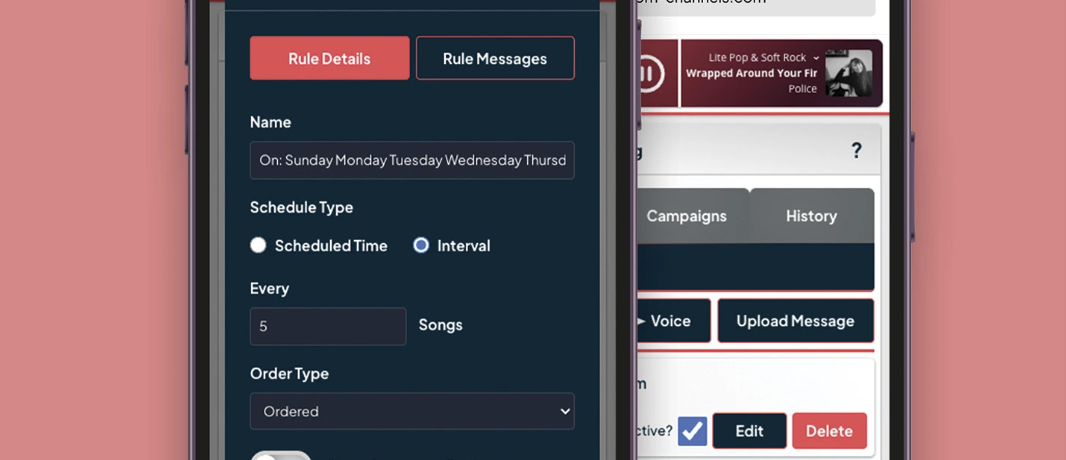
This shift creates entirely new opportunities for restaurant brands. Operators can now deliver targeted audio promotions tied to limited-time offers, loyalty enrollment campaigns, regional initiatives, or daypart-specific promotions. Messaging can be scheduled dynamically across individual stores or entire franchise systems. More importantly, brands are beginning to connect those campaigns to real-time customer engagement metrics in ways that were previously impossible.
Some restaurant brands are already beginning to see measurable results from this approach. Bubbakoo’s Burritos recently activated an in-store audio campaign tied to a loyalty relaunch and promotional offer across its 100+ locations. The campaign encouraged guests to join the loyalty program in exchange for a $5 reward, with audio messaging delivered between songs inside the restaurant environment. Within the first month, the brand reported a double-digit lift in loyalty sign-ups, while also gaining visibility into how in-store audio directly influenced guest engagement behavior.
Loyalty Is Becoming More Than a Transaction
That evolution matters because modern restaurant loyalty is becoming less transactional and more experiential. Guests increasingly expect restaurant brands to recognize them across every interaction, whether they are ordering through an app, responding to an email offer, walking into a store, or engaging with a brand inside the restaurant environment itself. The industry has spent years focused on digital engagement. The next phase of innovation will center on connecting digital identity to the physical guest experience.
Audio is becoming part of that transformation. Forward-looking restaurant operators are beginning to recognize that in-store audio is not simply background entertainment. It is a highly visible touchpoint capable of influencing guest behavior in real time. In some cases, a single targeted message can drive immediate results. Smokin’ Oak Wood-Fired Pizza, for example, reported a fourfold increase in dessert sales after launching an in-store audio promotion for a featured dessert item. The product sold out within approximately 36 hours, illustrating how audio can function as a revenue-generating engagement channel rather than simply an atmospheric one.
The implications extend well beyond promotions. Restaurants are now exploring more interactive forms of in-store engagement, including personalized guest recognition, loyalty-driven rewards experiences, localized messaging, and customer participation tied directly to loyalty programs. These experiences help transform the restaurant visit from a passive transaction into a more connected brand interaction.
For franchise organizations, the opportunity may be even greater. National brands have long struggled to maintain consistency across hundreds or thousands of locations while still allowing flexibility for regional campaigns and local market dynamics. Connected engagement platforms create a new operational layer that enables brands to deliver more coordinated customer experiences across the enterprise while still supporting local flexibility where appropriate.
At the same time, advances in AI and automation are making these capabilities more scalable and easier to manage across large multi-location environments. What once required significant manual coordination can now be scheduled, targeted, measured, and optimized with far greater precision.
The broader takeaway is becoming increasingly clear. The future restaurant experience will not be defined solely by food quality, mobile ordering convenience, or loyalty discounts. It will be shaped by how effectively brands connect every customer touchpoint — digital and physical — into a seamless and measurable engagement experience.
For years, in-store audio was one of the last major customer engagement channels operators could not truly measure. That reality is rapidly changing. As restaurants continue searching for new ways to increase guest frequency, strengthen first-party customer relationships, and differentiate the in-store experience, connected audio engagement is emerging as an increasingly important part of the modern restaurant technology stack.
The brands that recognize this shift early will be better positioned to transform everyday restaurant visits into measurable engagement opportunities that drive loyalty, frequency, and long-term customer value.
 Joe Comer is the CEO and Co-Owner of Custom Channels, where he leads the company’s mission to help businesses create engaging, branded in-store audio experiences. For more than 30 years, Custom Channels has provided licensed music, messaging, and audio engagement solutions that help restaurants, retailers, hospitality businesses, and other commercial environments strengthen customer experiences and reinforce their brand.
Are you an industry thought leader with a point of view on restaurant technology that you would like to share with our readers? If so, we invite you to review our editorial guidelines and submit your article for publishing consideration.
