
By Dustin Stone, RTN staff writer - 7.1.2026
Restaurant operators have always needed capital. They need it to open new locations, renovate dining rooms, upgrade kitchens, hire staff, invest in technology, expand catering, manage seasonality and get through the unpredictable swings that come with foodservice. What has changed is how that capital is being packaged, distributed and tied to restaurant growth.
For years, many restaurants had a limited set of options. Traditional bank loans could be difficult to secure, especially for independents without long operating histories, significant collateral or predictable cash flow. Equity financing could dilute ownership. Merchant cash advances and revenue-based financing could provide faster access to funding, but often at a cost that required careful review. Even when capital was available, operators still had to answer a separate question: how to generate enough customer demand to make that capital productive.
inKind has built its business around that connection. The company combines upfront capital for operators with consumer dining rewards and demand generation. A new $320 million financing commitment from Liberty Mutual Investments gives inKind additional resources to expand its restaurant network and develop AI-native tools designed to help operators bring in guests during slower periods.
The financing positions Liberty Mutual Investments, the investment firm for Liberty Mutual Group, as both a senior and mezzanine lender. The transaction was led by LMI’s Alternative Credit platform, which structures customized financing solutions across different layers of the capital structure. For inKind, the funding adds another major institutional financing partner at a time when restaurant operators are looking for capital sources that do more than simply add debt to the balance sheet.
The deal follows inKind’s $450 million capital raise earlier this year, which the company said would support expansion to as many as 10,000 additional U.S. restaurants and improve its customer-facing mobile experience. The two financings point to a more aggressive growth phase for inKind as it builds a restaurant network around capital, consumer rewards, data and technology.
Founded in 2014, inKind has provided more than $600 million in capital to restaurant partners across the country. The company now connects almost five million guests with more than 7,700 restaurants across the United States. Its restaurant partners include groups such as MINA Group, Ethan Stowell Restaurants and José Andrés Group, along with independent restaurants including Okàn, Kann and Superiority Burger.
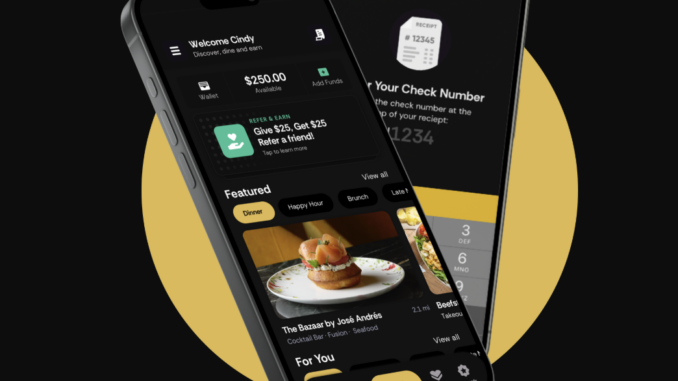
The model differs from a conventional loan. Through inKind Capital, inKind provides funding to restaurants by purchasing food and beverage credit from the operator. inKind then sells that credit to diners through its app, where guests receive incentives to discover restaurants, pay through the platform and return for future visits. The July 1 financing announcement described rewards of up to 25% back for users dining at restaurants on the platform, while inKind’s current consumer app experience promotes up to 20% back at thousands of restaurants, bars and cafes.
For restaurants, the structure converts future dining demand into upfront growth capital. Instead of borrowing from a lender and repaying principal and interest, or selling equity to investors, the restaurant receives capital in exchange for dining credit that is later redeemed by guests. The restaurant gets funding while also gaining access to a consumer network intended to drive visits.
The connection between capital and customer acquisition is what separates inKind from many traditional financing options. A bank loan can finance a renovation, but it does not send guests to the restaurant after the renovation is complete. A merchant cash advance can deliver cash quickly, but repayment is generally tied to sales, not to a dedicated consumer demand channel. A discount promotion can bring in traffic, but it may condition guests to wait for deals or erode margins if the traffic is not incremental. inKind is trying to occupy the space between those categories by giving restaurants capital and using its diner network to help drive redemption, repeat visits and spend.
The Liberty Mutual Investments transaction also reflects growing institutional interest in restaurant fintech models that use data, payments behavior, customer incentives and platform economics to help operators fund growth. Restaurants remain capital-intensive businesses, but the underwriting and distribution of restaurant capital are becoming more closely tied to technology platforms.
For LMI, the investment fits with its long-term capital strategy. Liberty Mutual Investments says it invests more than $124 billion of long-term capital globally across liquid, credit and alternative strategies. The inKind transaction gives LMI exposure to a restaurant platform with both a financing component and a consumer growth component, rather than a traditional lender-only model.
For inKind, the financing expands its ability to grow the restaurant network while investing in technology designed to influence demand. The company said the funding will support AI-native tools that help operators drive traffic during slower periods by connecting them with inKind’s nationwide diner base. Restaurants rarely have demand problems evenly distributed across the week. A popular restaurant may be full on Friday night and still have unused capacity on Monday, Tuesday or during early dining windows.
AI could make that demand generation more precise. If inKind can use guest behavior, restaurant preferences, geography, dining patterns and available capacity to match diners with restaurants at the right time, the platform could become a more targeted traffic engine. The greatest value would come from filling underutilized seats without simply moving full-margin customers into lower-margin reward activity.
For operators, the question is not only whether a platform can generate transactions. It is whether those transactions are incremental, profitable and strategically useful. A guest who would have visited anyway is different from a guest who discovers the restaurant through inKind, returns at a slower time or becomes a repeat customer. The economics depend on redemption timing, average check, food cost, labor availability, capacity utilization and whether the guest relationship extends beyond the first rewarded visit.
inKind’s model appears well suited to restaurants with strong guest experiences, recognizable hospitality value and enough margin discipline to manage rewarded dining credit effectively. It may be useful for operators with expansion plans, capital needs, loyal guest bases or uneven demand patterns. It may also appeal to owners who want growth capital but are wary of equity dilution or conventional borrowing.
The competitive landscape around restaurant financing has become more active as software, payments and delivery platforms use transaction data to extend capital. Toast Capital gives eligible Toast customers access to funding with a fixed cost, no compounding interest and no hidden fees, with repayment handled through the Toast ecosystem. Square Loans offers sellers loan offers based on business performance, processing volume, account history and payment frequency. DoorDash Capital provides eligible merchants with cash advances that are repaid through a fixed percentage of sales.
Those models show how embedded finance is moving deeper into restaurant technology. Platforms that already process payments, orders or delivery volume have data that can help underwrite funding offers. They also have built-in repayment channels, which can reduce friction for both the platform and the merchant. For operators, the appeal is speed, simplicity and access, especially when traditional lenders move slowly or require more documentation than a restaurant owner has time to manage.
inKind approaches the market from a different direction. Rather than primarily underwriting a restaurant against future card sales or delivery marketplace volume, it purchases food and beverage credit and pushes that credit into a consumer dining network. The funding mechanism is tied directly to guest acquisition. The restaurant is not only receiving capital. It is participating in a marketplace designed to bring diners back to the table.
That distinction may become more important as restaurants rethink customer acquisition costs. Third-party delivery marketplaces can drive demand, but commissions, limited guest-data access and operational complexity have made many operators more cautious. Paid digital advertising can be useful, but attribution is not always clear. Loyalty programs can improve retention, but they usually require restaurants to build or buy the technology and maintain guest engagement over time. inKind combines capital, rewards and dining discovery in one platform, with upfront funding as the key differentiator.
The model also gives inKind a stake in the restaurant’s success. Because inKind buys dining credit and relies on consumers redeeming it at partner restaurants, the company has an incentive to work with operators that can deliver strong guest experiences and remain financially healthy. That alignment helps explain why the platform has emphasized high-quality restaurants, acclaimed groups and independent operators with clear local appeal.
Restaurants still need to evaluate the economics carefully. Operators should understand the effective cost of capital, the economics of food and beverage credit, expected redemption patterns, guest acquisition costs, incremental revenue and the impact on margins. A dining reward is only valuable if it produces profitable behavior over time. Restaurants should also consider whether inKind guests become repeat full-price customers, how redemptions affect peak and off-peak periods, and how the platform fits with existing loyalty, reservation, POS and marketing systems.
Those are the questions that determine whether restaurant fintech products create long-term value. The strongest operators will likely use inKind not as a one-time cash source, but as part of a broader growth strategy that includes guest acquisition, retention, capacity management and disciplined financial planning.
The AI component could sharpen that value proposition. Restaurant marketing has often been blunt. Operators send promotions broadly, discount too aggressively or rely on platforms that do not account for the restaurant’s actual capacity needs. AI-driven demand tools could make restaurant marketing more precise by identifying the right guests, timing offers around slower periods and helping operators avoid unnecessary incentives during periods when demand is already strong.
The timing is favorable for that approach. Food costs remain unpredictable. Labor remains expensive. Rent and insurance continue to pressure margins. Many restaurants still want to grow, but they need capital that does not create a repayment burden so heavy that it undermines the expansion it was meant to support. At the same time, consumers are more value-conscious, making rewards and app-based dining incentives more attractive.
For inKind, the opportunity is to turn those pressures into a more integrated restaurant growth platform. Capital can help fund the operator. Rewards can motivate the diner. Data can guide where demand is needed. AI can improve targeting and timing. The result is a model that looks less like a traditional lender and more like a restaurant commerce network with financing built into its core.
The Liberty Mutual Investments financing gives inKind more institutional backing to test that model at scale. It also signals continued investor appetite for restaurant technology companies that address operator pain points beyond ordering and payments. In this case, those pain points are capital access, customer acquisition, retention and demand management.
Restaurants do not need technology that only digitizes a single task. They need partners that can help improve the economics of the business. inKind’s latest financing suggests that the market for restaurant technology is expanding beyond operational software into platforms that connect capital, consumers and data in ways that could shape how restaurants grow.
If inKind can continue scaling its restaurant network while proving that its diner base delivers incremental, profitable demand, the company could occupy a distinct position in the restaurant technology ecosystem. The $320 million commitment from Liberty Mutual Investments gives it more capital to pursue that opportunity, and it gives restaurant operators another reason to pay attention to how financing, loyalty and guest acquisition are beginning to converge.
