
By Roger Hancock, CEO of Recall InfoLink - 9.10.2026
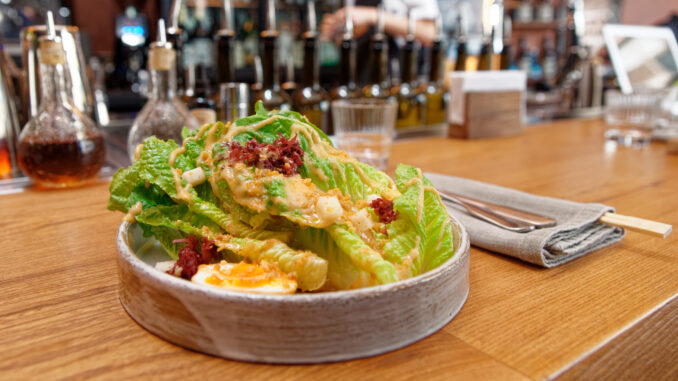
Lettuce. Jalapenos. Eggs. Blueberries. Summer 2026 was the summer of food recalls, with multiple incidents impacting restaurants and other food businesses nationwide. While recalls don’t typically originate at the restaurant level, recent incidents involved restaurants—including Taco Bell, Chipotle, and QDOBA—who received contaminated products from their suppliers.
Of course, the summer’s biggest recall was the Cyclospora outbreak linked to iceberg lettuce from Taylor Farms and distributed to Taco Bell. Additionally, jalapeños—contaminated with Salmonella and imported from Mexico—were distributed to Chipotle and QDOBA restaurants.
While it feels like recalls surged this year, the number of recalls is actually on par with recent years. What’s changing is the scope and scale of these incidents. Fewer, larger suppliers now serve more points of sale. As a result, a single contamination event can impact products across many distribution points. One safety breach can cause widespread damage.
Compounding these problems, international supply chains increase complexity. Cross-border sourcing—such as lettuce and jalapenos from Mexico—complicates data management. As ingredients move through multiple companies, countries, and regulatory jurisdictions, it becomes more challenging to identify, trace, and contain contaminated products. This summer’s Cyclospora outbreak is a good example. A single ingredient sourced through one international supply chain reached restaurants and retailers nationwide, which is why one point of failure had such a massive impact.
Key learnings from this summer’s recalls include:
- Know your supply chain. Knowing and working collaboratively with your supply chain helps prevent, contain, and resolve recalls. This is especially true as supplier consolidation and complexity of distribution directly impacts recall scale. Companies that know their trading partners can trace their own exposure faster and contain a recall more effectively. Conversely, when companies don’t know their trading partners, they often experience more widespread, damaging incidents—with increased illnesses, costs, liability, etc.
- Recall investigations naturally evolve. A recall that starts with a traceback conclusion and later works through a lab result is what a normal live investigation looks like. Look at the Cyclospora outbreak in particular. Since symptoms typically don’t appear for days or weeks after consumption, it’s difficult and time-consuming to identify the contamination source. Being ready to manage evolving incidents takes preparation and coordination ahead of time, not in the moment.
- Fast, clear communication matters. Don’t delay communication, as lack of information can drive consumer fear. Information around the Cyclospora outbreak was incomplete and confusing, causing consumers to panic about the safety of all produce. As the lettuce recall demonstrated, confusion is the enemy of effective recall response. Therefore, provide information quickly, giving updates as the situation evolves. Use clear product identifiers and instructions about what to do next.
- Data management is critical. As recall scale grows, data management determines how well the recall is managed and contained. When trading partners have accurate, accessible data—pinpointing where ingredients came from and where products traveled—they can isolate the affected products quickly. Interoperable systems across trading partners enable better visibility and traceability, faster action, more targeted recalls, and less risk for supply chains and their customers. Unfortunately, data sharing is easier said than done, as the industry currently lacks standardized data and systems. Importantly, the industry is working to standardize data and systems, though enforcement of FSMA 204 has been delayed until July 2028. Despite this delay, companies must start building and implementing integrated systems now for improved data management that will drive faster tracking.
- Prepare in advance. Resilient supply chains are prepared and ready to act in any recall situation. Have a recall plan in place. Practice recall simulations collaboratively with your trading partners. Train your staff on food safety and recall protocols. Ensure your team feels prepared and confident before a chaotic, stressful recall occurs.
Take key lessons from every recall, recognizing how the evolving industry—with longer, international supply chains—can increase food businesses’ vulnerabilities. This summer’s most pressing lesson: preparation is essential. Supply chains become resilient by preparing in advance. Get to know your supply chain partners, practice your recall process collaboratively, and make sure data is interoperable across the chain. Resilient supply chains are better equipped to manage today’s complex recalls because of this advanced preparation.
 Roger Hancock, CEO of Recall InfoLink, is one of the world’s foremost experts on recalls, with experience that spans the retail, tech, data, regulatory, and supply chain. Recall InfoLink makes recalls faster, easier, and more accurate across the supply chain to protect consumers and brands. As the only company focused entirely on recalls, Recall InfoLink’s solutions drive immediate action, streamline the recall process, and simplify compliance. Roger is also a steering committee member of the Alliance for Recall Ready Communities.
Are you an industry thought leader with a point of view on restaurant technology that you would like to share with our readers? If so, we invite you to review our editorial guidelines and submit your article for publishing consideration.
