
By Shawn Lane, CEO of Ottimate - 10.19.2026
A supplier announces a recall of a specific lot of tomatoes, and the team at a multi-location restaurant group springs into action. The first order of business is figuring out which of the locations received the recalled tomatoes and pulling them from circulation as quickly as possible.
There’s a sigh of relief when the product is pulled, but the work isn’t over yet. Next, the finance team has to figure out how many tomatoes were purchased, what portion was already paid for, and whether the company is eligible for credits or reimbursements from the supplier. Finding the answers can feel like a wild goose chase, especially for restaurant groups with multiple locations and hundreds of suppliers.
Food traceability is getting more and more precise, but back-office finance processes don’t always keep up. Restaurants need a reliable way to trace recalled products through their financial records just as effectively as they track them through the supply chain.
Food traceability often outpaces restaurant financial processes
In the past, food traceability focused mainly on identifying which products came from which suppliers. Today, restaurants and suppliers face growing pressure from consumers and regulators alike to trace food more precisely, down to the lot and shipment level.
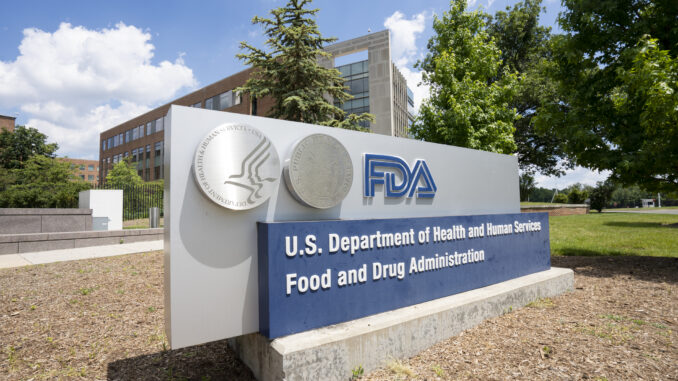
The FDA’s Food Traceability Rule is one example of the push for more precise tracking. The rule sets out additional recordkeeping requirements for certain foods, aiming to make it easier to identify and remove potentially harmful products from the supply chain as quickly as possible.
More granular food traceability has its advantages for restaurants. With the right tracking systems, a restaurant can pinpoint which locations received an affected lot of produce and act fast to remove those products from circulation, without tossing out every shipment from the supplier in question.
At the same time, greater precision creates new challenges for the restaurant’s back-office team. Sure, restaurants may be able to track affected products down to the lot and shipment levels and remove them quickly. But many don’t have the right processes to link recalled products to specific invoices, payments, and supplier credits. This makes it hard to calculate and recover from the recall’s financial loss.
Financial consequences linger beyond food recalls
A restaurant might quickly pull a recalled product from circulation. But the financial and operational consequences can last much longer.
For one, there are supplier credits and reimbursements to consider. Depending on its agreement with the supplier, the restaurant may be eligible to recover some or all of the recalled product’s costs. But securing reimbursements or credits takes work. Someone from the finance team has to track down the original invoices, verify what was purchased and for how much, and submit a claim to the vendor. Then, they need to follow up with the supplier until the credits or refund actually arrive.
Recalls also complicate invoice reconciliation. A single restaurant invoice often includes dozens of line items, but not all are related to the recall. For example, a recalled item might be delivered to 15 restaurant locations over several weeks, along with unaffected products from the same supplier. The finance team may need to slice and dice several invoices to calculate the total cost, determine which affected products have already been paid for, and figure out how to handle any pending payments.
The more locations the restaurant group operates, the more complicated the cleanup. And if any key information is missing or difficult to track down along the way, discrepancies could sit unresolved, and the business might never receive the credits they’re entitled to.
Disconnected systems make recall accounting harder
Restaurant teams need the right information to navigate the financial aftermath of a product recall. But for many restaurants, that information is scattered across disconnected systems.
Purchase orders might live in one system, while invoices, payments, and supplier credits are tracked in another. Other key pieces of the puzzle, such as credit agreements or reimbursement requests, might only exist in an employee’s inbox or a spreadsheet saved on their desktop.
Each of these business systems plays a role, but they don’t always communicate with each other. Even if the right information exists, it doesn’t always match up across systems. For example, romaine lettuce might have one identifier in a restaurant’s inventory system and a different description on the supplier’s invoice. Or a lot number for the romaine might be captured when products are received, but that information never makes its way into the financial records.
When information is missing or doesn’t match across systems, finance teams may struggle to figure out exactly what was purchased and how much money is at stake. It also makes it more difficult to track down any credits or reimbursements that are owed by suppliers.
Technology can connect traceability with financial data
Today, many restaurants are investing in technology to improve food traceability. But back-office teams also need a reliable way to link food traceability to invoices, payments, and supplier credits.
More granular invoice data is one place to start. Accounts payable automation can capture details like individual products, quantities, and prices, rather than just the invoice total. These details help finance teams pinpoint exactly how much of a recalled product was purchased and how much it cost.
This invoice data is particularly useful when it’s connected to the restaurant’s existing purchasing and inventory systems. When product identifiers are consistent and lot-level data is shared between systems, finance teams are better able to trace recalled products back to the original purchases. From there, they can track down the associated invoices and determine what’s already been paid.
Technology can also help finance teams navigate the post-recall financial cleanup. Digital records make it easier to document claims, track supplier credits, and reconcile reimbursements against the original invoices. Finance teams with a more complete picture that they don’t have to cobble together on their own.
Of course, automation is only as powerful as the data it works with. Restaurants need to make sure product information is accurate and that the right details are captured and shared across systems. Otherwise, they’ll still face the same gaps, even with new technology in place.
Food traceability must extend to the back office
As food traceability gets more granular, restaurants must ensure their back-office financial processes keep up. Knowing which products were affected by a recall is important, but on its own, this information isn’t enough to calculate and address the financial impact.
When restaurants have a reliable way to connect inventory, purchasing, and financial data, it’s easier to calculate losses, track supplier credits, and reconcile payments. The next time a recall is announced, finance teams will be better equipped to manage the financial impact, without spending days putting together all the pieces of the puzzle.
 Shawn Lane is a veteran B2B SaaS executive who currently serves as the CEO of Ottimate, an AI-powered accounts payable automation platform he joined in March 2026. He brings over three decades of leadership experience to the role, having previously served as CEO of healthcare tech firm LivTech and General Manager at supply chain software giant E2open. An industrial engineering alumnus of North Carolina State University, Lane specializes in scaling software businesses that solve complex, operationally intensive problems.
Are you an industry thought leader with a point of view on restaurant technology that you would like to share with our readers? If so, we invite you to review our editorial guidelines and submit your article for publishing consideration.
