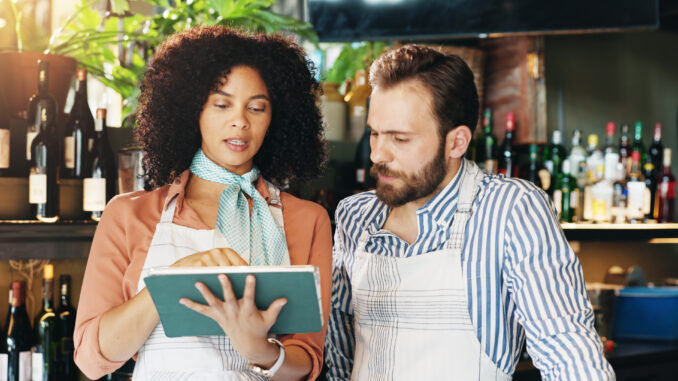
This happens constantly, and most owners don’t catch it. A vendor negotiates a deal with you—a food distributor, a waste hauler, a CO2 supplier, whoever—and that price holds for a while. Then it starts drifting. Not the stuff that’s supposed to move, like a commodity that goes up and down with the market. I’m talking about line items that have no business changing that often: a dumpster invoice, a Sysco order, a gas delivery. Unless you’re actually checking the invoice against what you agreed to, you won’t notice a two percent bump here, a three percent bump there. It’s not one big number. It’s the accumulation, across every vendor, every month, that quietly eats into a restaurant that looks busy and healthy on the surface.
That’s the part of ownership nobody warns you about. A restaurant can be full every night and still be losing money, because a few points here and there—food cost, labor, a processing fee, a vendor contract that’s crept up over a couple of years—don’t look like much on any single invoice. Multiplied across a year, they’re often the whole difference between a restaurant that’s busy and one that’s actually profitable.
It’s gotten harder, not easier. Restaurant costs are up roughly 36 percent since 2019. Owners who are protecting their margins right now generally aren’t working harder than everyone else—they’re catching the small things before they compound.
The problem is that independent owners are already doing the job of an entire back office by themselves—HR, marketing, purchasing, training, compliance—and there’s rarely anyone whose actual job it is to sit with the owner and ask, “Is this number where it should be?”
That’s the gap I built Rob to close. Rob is an operating companion built specifically for independent restaurant owners. It helps you think through exactly these decisions—staffing, food cost, a vendor conversation, a tough call with an employee—the way an experienced operator standing next to you would. It doesn’t run the restaurant for you. It helps you catch the things that are easy to miss when you’re the one carrying everything.
There’s another side to this that doesn’t get talked about enough. An owner has a good idea—a new lunch program, a loyalty concept, a small app or tool for the front of house—and then it sits for months. Not because the idea is bad, but because turning an idea into something real takes planning, structure and paperwork that competes with actually running the restaurant. I’ve watched good ideas die on the ninety-yard line for exactly that reason. Rob can take that same idea and turn it into a finished, actionable plan in minutes instead of months—so the owner’s energy goes into executing it, not into the planning work that usually eats the idea alive before it ever launches.
Restaurant Technology News readers can click here to try Rob free for seven days—nothing charged at signup, cancel anytime. Mention this article after signing up and Rob will extend the trial to 14 days.
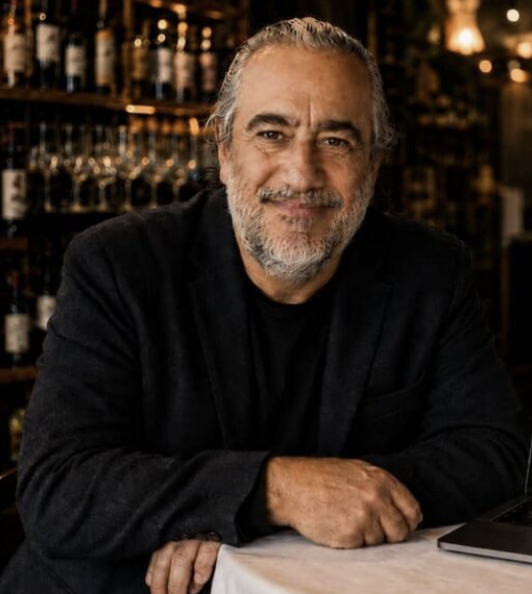 Gilbert Yeremian is the founder of Rob (Restaurant Owner Buddy) and has worked in the restaurant industry since 1989. Drawing on more than three decades of operating experience, including 27 years owning restaurants, he created Rob, an operating companion designed to help independent restaurant owners navigate costs, staffing, vendor relationships and day-to-day business decisions.
Are you an industry thought leader with a point of view on restaurant technology that you would like to share with our readers? If so, we invite you to review our editorial guidelines and submit your article for publishing consideration.