
By Dustin Stone, Debbie Carson and Lea Mira, RTN staff writers - 6.29.2026
Independent restaurants are often asked to compete like large chains without the same internal technology teams, marketing departments or operational resources. They need reliable point-of-sale systems, direct online ordering, third-party delivery integrations, loyalty programs, marketing tools, reservations, waitlists, reporting and payment workflows. They also need technology that fits the way their restaurants actually operate, including complex menus, multilingual teams, cuisine-specific workflows, high takeout volume and service models that do not always map neatly to generic restaurant software.
That operating reality is where Chowbus has built its restaurant technology story. The company, founded in 2016 around curated food delivery for culturally rooted restaurants, has evolved into a full-stack platform for independent and culturally rooted operators. Its current positioning reflects a larger shift in restaurant technology: operators are no longer looking for isolated digital tools. They want connected systems that help them manage operations, capture more direct demand, retain guests and make better decisions with less manual work.
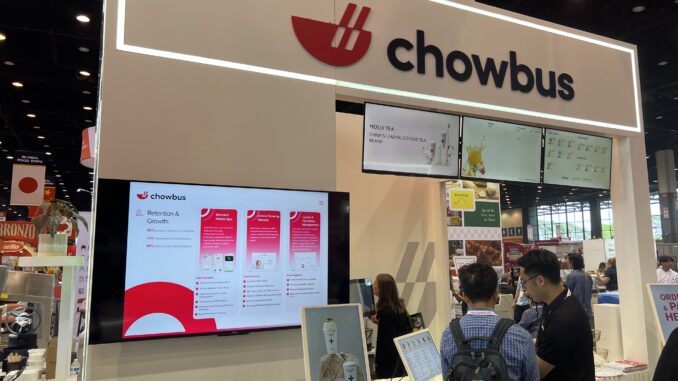
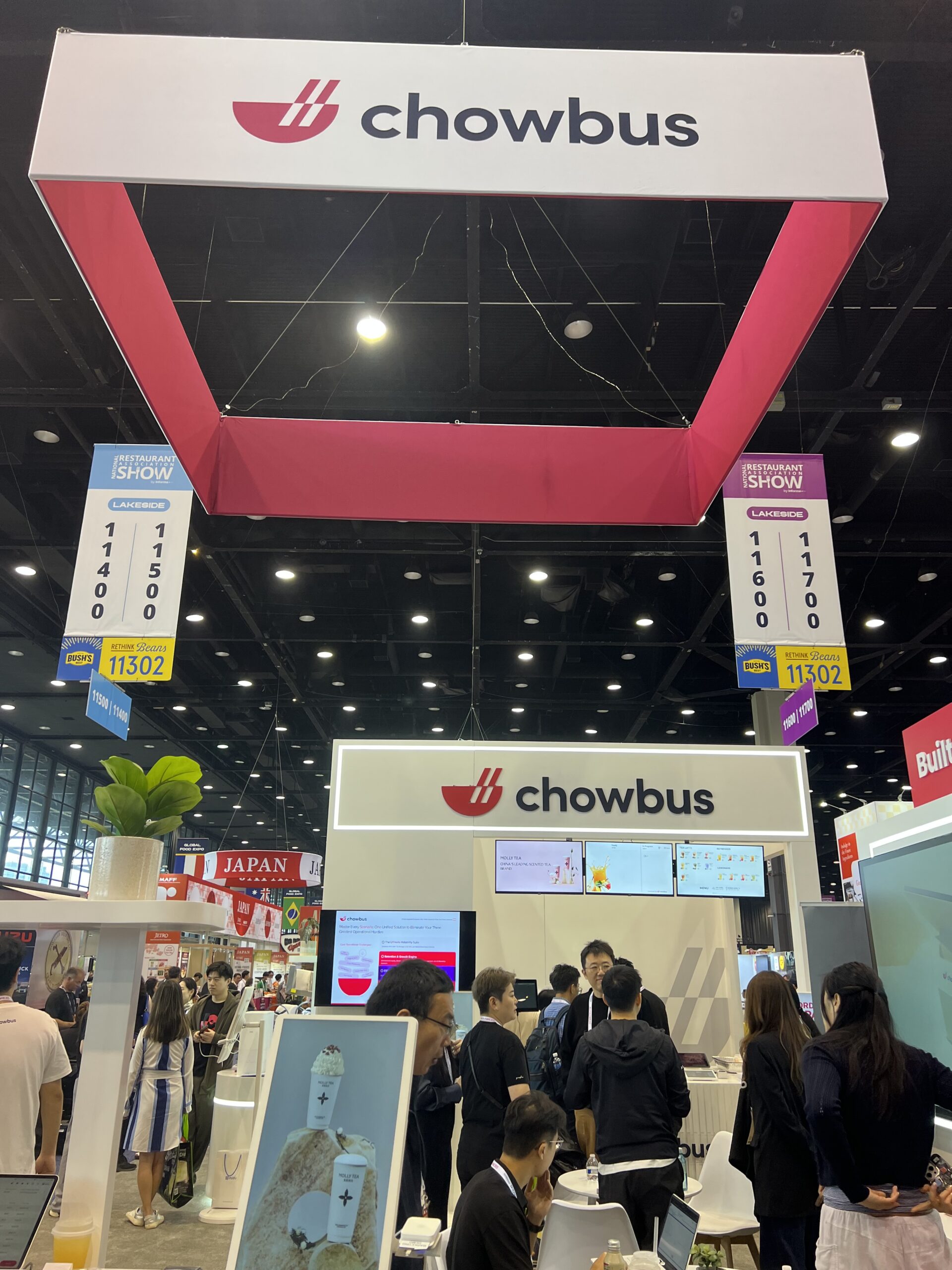
Chowbus brought that message to this year’s National Restaurant Association Show in Chicago, where it showcased products including Chowbus POS, handheld POS, kiosks, ordering tablets, online ordering, QR code ordering, loyalty, promotions and waitlist and reservations. The company’s presence at the show aligned with one of the industry’s clearest technology themes: independent restaurants need more integrated platforms to manage increasingly complex operations.
The company’s momentum was also reinforced by its 2026 funding announcement. Chowbus raised $81 million in Series E funding, with the company reporting $209 million in total capital raised, more than $120 million in annual recurring revenue and approximately $4 billion in annualized processed transaction volume across all 50 states and Canada. The round marked a strategic move beyond POS into a broader AI-powered restaurant platform, including tools for marketing, accounting, supply ordering and other services designed to reduce operational overhead for restaurant operators.
The company is not simply selling a point-of-sale system to restaurants that need to replace a cash register. It is building an operating platform for independent restaurants that need chain-level capabilities without chain-level complexity. The opportunity is especially relevant for culturally rooted restaurants, many of which manage specialized menus, family-run operations, multilingual teams, high delivery volume and guest experiences shaped by cuisine, culture and community.
 The foundation of the platform is Chowbus POS, which the company positions as the heart of restaurant operations. The system brings together orders, payments, staff and data in one platform, with features such as offline mode, real-time cloud synchronization, centralized control, menu management, staff management, reporting and support for in-house, phone, online and delivery orders. For operators juggling multiple ordering channels, that unified view can reduce errors, simplify workflows and give managers more control over the restaurant.
Chowbus POS is also designed around the practical realities of independent restaurant service. Handheld POS devices can support tableside ordering and payment, while ordering tablets and QR code ordering can help restaurants reduce labor pressure and improve order accuracy. Kitchen display system functionality gives back-of-house teams better visibility into orders moving through the system. Customer pickup screens and self-ordering workflows help operators manage takeout and pickup volume without relying entirely on front-counter staff.
The platform’s fit for culturally specific restaurants is one of its clearest competitive strengths. Chowbus calls out service models and restaurant categories such as quick service, full service, bubble tea and dessert shops, barbecue, all-you-can-eat concepts, Korean restaurants, Japanese restaurants and sushi bars, Thai and Vietnamese restaurants, hotpot, cafés and bakeries. These concepts often have highly specific operating requirements, from modifier-heavy beverage menus and shared-table ordering to complex add-ons, courses, time limits, group dining and high third-party delivery volume.
Generic POS systems can struggle with those nuances. A bubble tea shop, for example, may need fast modifier handling for sweetness levels, ice levels, toppings and custom drink combinations. A hotpot or barbecue concept may need table-based ordering, group ordering and kitchen workflows that handle multiple rounds of service. An all-you-can-eat restaurant may need ordering rules, timing controls and menu structures that differ from a conventional full-service concept. Chowbus’s platform is designed to address those operational details rather than forcing every restaurant into the same workflow.
Direct ordering is another core part of the platform. Through Chowbus Online Ordering, restaurants can accept pickup and delivery orders through their own digital channels while reducing dependence on high-commission marketplaces. The product emphasizes zero platform commissions, flexible pickup and delivery options, smart menu and pricing management, SEO optimization, Google-powered visibility, advance ordering and the ability to manage multiple menus and operating hours.
For independent operators, direct ordering is both a margin strategy and a customer-relationship strategy. Third-party marketplaces can generate demand, but they often come with high fees and limited guest-data ownership. By giving restaurants tools to drive orders through their own websites and Google-connected channels, Chowbus helps operators keep more control over revenue, menu presentation and customer engagement.
Third-party delivery remains a major part of restaurant operations, particularly for independent restaurants that rely on outside platforms for discovery and volume. Chowbus addresses that complexity through third-party delivery integrations that connect with nearly 50 delivery platforms, including major services such as Uber Eats, DoorDash and Grubhub as well as cuisine-specific platforms. Orders, menus and store statuses can be managed from one dashboard and synced directly into the POS, reducing the need for multiple tablets and manual re-entry.
That capability is especially relevant for restaurants with high off-premise demand. Multiple delivery tablets at the counter can create missed orders, duplicate entry, inconsistent menus and avoidable errors. A centralized delivery workflow helps restaurants manage marketplace demand while protecting kitchen accuracy and staff efficiency. It also gives operators the ability to update sold-out items, store hours and order statuses across connected channels without logging into each platform separately.
Chowbus also extends beyond ordering into guest retention. Its restaurant loyalty program works across kiosks, tablets, QR codes and apps, with instant data syncing and multi-location compatibility. For restaurants that depend heavily on repeat guests, loyalty functionality can help convert occasional customers into members, support targeted offers and provide more consistent incentives across dine-in, takeout and digital ordering channels.
The company’s SMS marketing tools and promotions engine further extend that growth strategy. Operators can send targeted text campaigns with visuals, promote new menu items, create flash deals, automate discounts, run BOGO offers, launch app-only or kiosk-exclusive promotions and schedule offers for grand openings, holidays or slower dayparts. Because these tools connect back into the broader platform, marketing becomes more directly tied to ordering, loyalty and customer behavior.
A branded mobile app gives restaurants another way to control the guest relationship. Chowbus positions the app as an all-in-one solution for ordering, marketing and membership management, with custom branding, POS integration, loyalty tools, rewards, gift cards, promotions and multi-store support. For operators trying to reduce marketplace dependence, a branded app can create a more direct channel for repeat orders and guest engagement.
Self-service ordering is another part of the platform story. Chowbus’s restaurant kiosk technology is designed for QSR and fast-casual environments, with ordering, payment, kitchen routing, membership, promotions, customer pickup screens and SMS notifications. For restaurants facing labor pressure or high counter volume, kiosks can give guests more control while helping staff focus on preparation, hospitality and fulfillment.
Reservations and guest flow are also part of the platform. Chowbus’s restaurant reservation system allows guests to book through a restaurant’s website or Google Maps, while staff manage reservations, waitlists and tables from one view. Its waitlist software supports multi-channel queue entry, SMS notifications, real-time queue status tracking and POS-based management. These capabilities can be especially valuable for busy full-service restaurants, hotpot concepts, barbecue restaurants and other dining formats where table turns and guest flow have a direct impact on revenue.
Management visibility becomes more valuable as restaurants add locations. Chowbus’s multi-location management tools are built for restaurant groups, franchises and multi-unit operators, with centralized data, store-level and headquarters account views, performance tracking and reporting. Independent operators that grow from one location to several often need stronger controls around menu consistency, financial visibility, staffing and promotions. Centralized management can help provide those controls without requiring a large corporate infrastructure.
The Chowbus Go merchant app gives operators mobile access to sales, orders and performance information. Managers can monitor activity, manage orders, activate or pause delivery platforms, adjust website ordering and receive real-time notifications from a phone. For owner-operators who are rarely sitting at a desk, mobile management can be more practical than relying only on back-office dashboards.
Chowbus is also expanding its artificial intelligence strategy. During the National Restaurant Association Show in Chicago, the company hosted its 2026 Summer Launch Event and Summit Forum under the theme “Welcome to the AI Digital Worker Era.” The event highlighted new brand positioning and product upgrades, including a Restaurant AI Digital Worker and a shift the company describes as POS 3.0. The editorial significance is not the AI label itself, but the direction of travel: Chowbus is moving from integrated restaurant software toward systems that can help operators act on data, automate repetitive work and improve execution.
That AI direction builds on the company’s funding narrative. Chowbus has said it plans to use new capital to expand AI-driven tools for marketing, automated accounting and supply chain optimization, while moving beyond traditional SaaS toward broader restaurant services. For independent restaurants, those categories are meaningful because they represent areas where operators often lack dedicated staff and still need reliable execution.
The broader platform strategy gives Chowbus a differentiated position in a crowded restaurant technology market. Many providers offer POS, online ordering, loyalty, delivery integration, reservations, kiosks or marketing tools. Chowbus brings those capabilities together with a focus on independent and culturally rooted restaurants, supported by multilingual service and workflows designed around restaurant models that generic systems may not fully understand.
That focus gives the company a strong narrative as restaurant technology becomes more specialized. Independent operators do not want to feel like small accounts on platforms built primarily for national chains. They need technology that respects their service models, reflects their customer base and supports their growth without stripping away what makes the restaurant distinctive. Chowbus’s positioning around culture, independence and full-stack operations speaks directly to that need.
The competitive landscape includes large POS companies, online ordering platforms, delivery aggregators, loyalty providers, reservation systems, kiosk vendors and marketing technology companies. Chowbus competes by integrating many of those functions into one platform while tailoring the system to the needs of restaurant entrepreneurs who may otherwise rely on fragmented tools, manual workarounds and disconnected third-party services.
As operating costs remain elevated and consumer behavior continues shifting across dine-in, takeout, delivery and digital ordering, independent restaurants need technology that does more than process transactions. They need systems that help them manage labor, protect margins, retain guests, coordinate third-party channels and make better decisions in real time.
By combining POS, online ordering, delivery integrations, kiosks, handheld ordering, loyalty, promotions, SMS marketing, reservations, waitlists, mobile management, multi-location tools and AI-assisted workflows, Chowbus is building a broader restaurant operating platform for independent operators. Its continued evolution from delivery marketplace to POS provider to full-stack restaurant technology company reflects how quickly the needs of independent restaurants are changing.
For culturally rooted restaurants, the stakes are especially high. These businesses are often deeply tied to community, heritage and entrepreneurship, but they face the same competitive pressures as larger brands with far more resources. Chowbus is positioning its technology as a way to help those operators modernize without losing the operational and cultural qualities that make them distinctive.
In a restaurant technology market increasingly defined by integration, automation and data-driven operations, Chowbus is building around a clear idea: independent restaurants deserve platforms designed for their complexity, not simplified versions of tools built for someone else. That focus gives the company a meaningful role in helping the next generation of restaurant entrepreneurs compete, grow and preserve what makes their businesses unique.
