
By Dustin Stone, RTN staff writer - 10.26.2026
A restaurant’s menu should show the food its kitchen actually prepares. Just Eat’s apology over AI-generated images gives operators a reason to look closely at who creates their delivery listings and who approves the result.
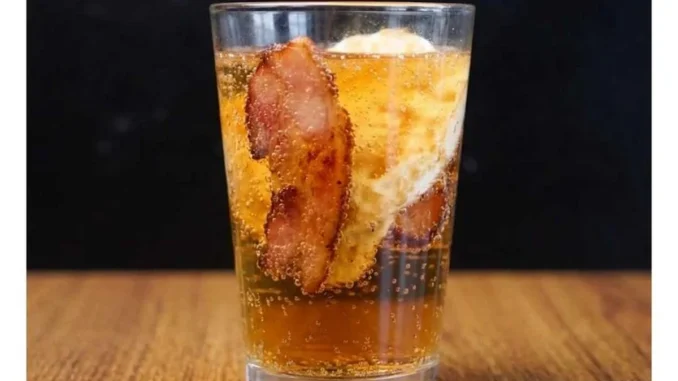
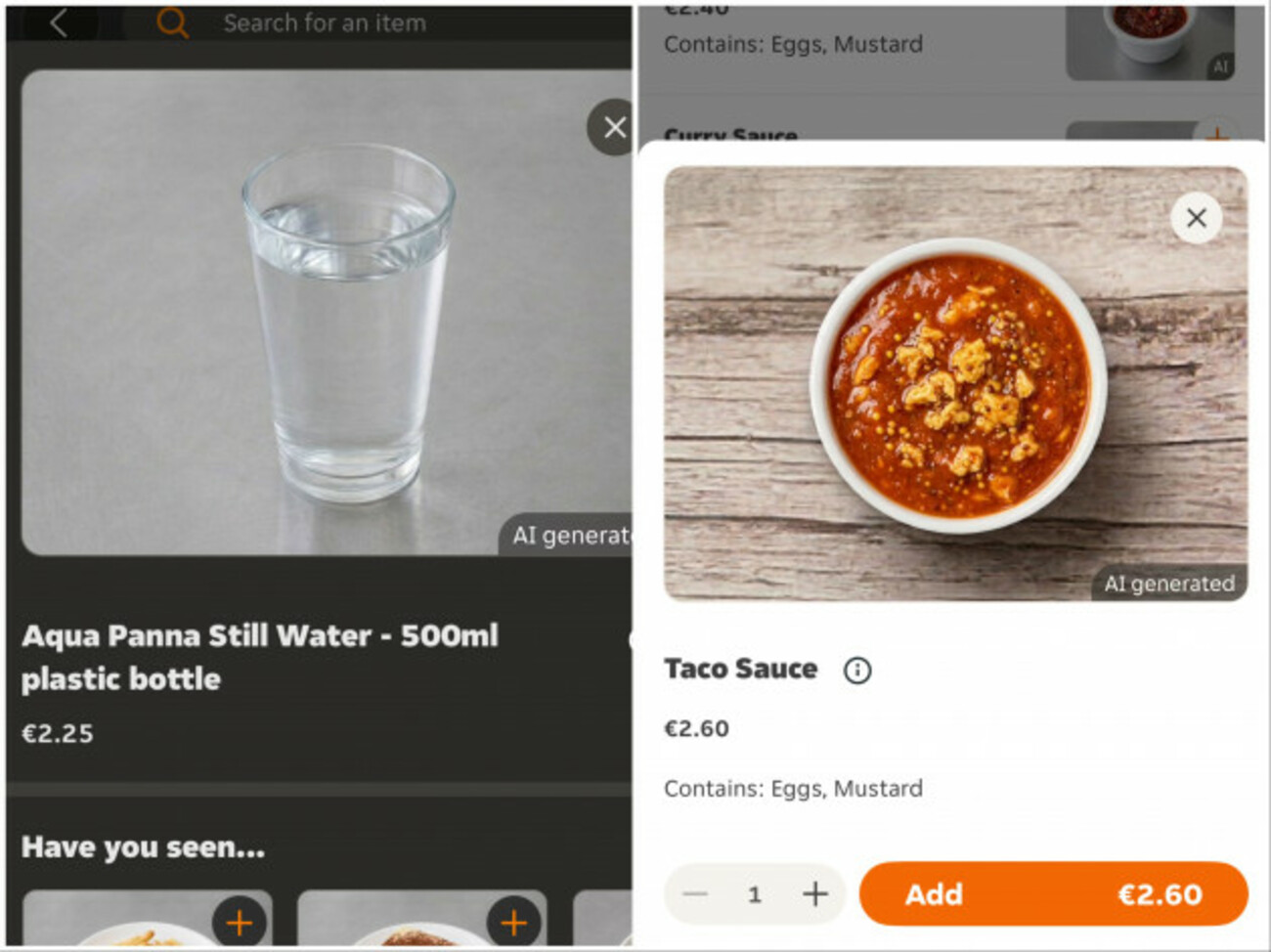
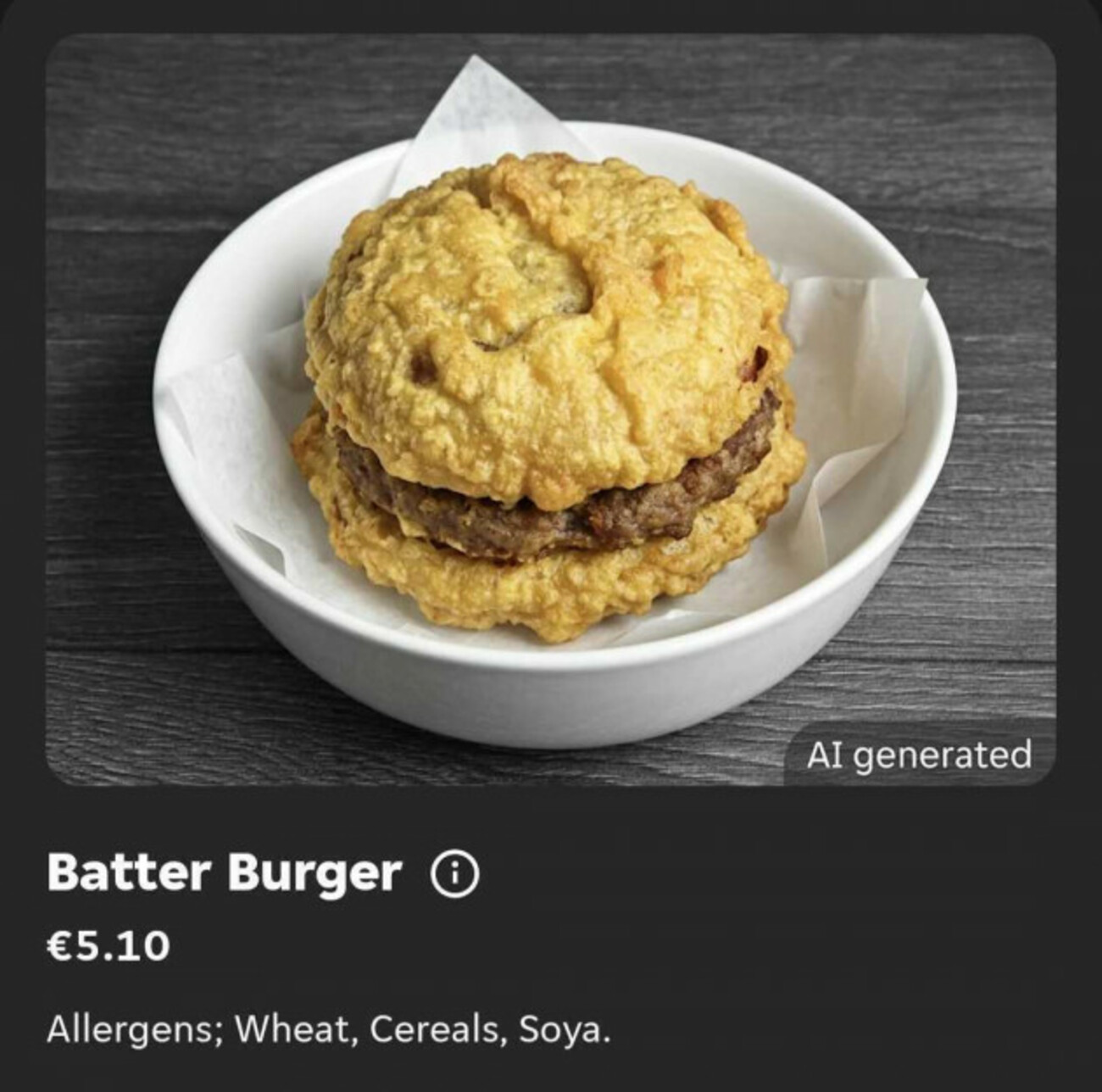
In a BBC News report republished by AOL on October 21, Laura Cress described images that confused regional dishes with entirely different foods. A Belfast cafe’s bacon and egg soda bread was pictured as bacon and eggs floating in a soft drink. Just Eat said it was removing inaccurate images and would stop producing more until the tool was further developed. The BBC reported that AI-generated images carried labels and that some unusual examples remained visible at the time of reporting.
Customers use these pictures to decide where to order and what to buy. Menu photography needs to represent a particular dish from a particular kitchen. A plausible image of a sandwich is insufficient unless someone has established that it matches the sandwich the restaurant actually serves.
 An image attached to a menu item makes a commercial promise. If it shows a sandwich with a generous filling, a customer reasonably expects something resembling that sandwich. When the image changes the product, the restaurant may inherit a complaint about an expectation it never intended to create. The platform can correct a listing, but the customer may remember the restaurant’s name.
Restaurant approval matters as much as image quality. A chain may have a marketing department that checks listings across delivery services. An independent operator may be managing those listings between a lunch rush and a supplier delivery. Neither should have to discover an inaccurate representation of its food through social media.
The BBC report does not explain the full approval process used in the Just Eat trial. Operators should ask their delivery partners whether the platform can generate or replace images, how changes are approved and how quickly an owner can remove them. A restaurant should approve the finished image for the specific menu item and location before it appears online.
Labeling an image as AI-generated provides useful disclosure. It does not resolve whether the image represents the meal. Customers should not have to interpret that label as a warning that a pictured ingredient, portion or preparation method might be imaginary. The burden of checking those details belongs with the businesses publishing the menu.
AI can help operators work with photographs they already have. DoorDash’s merchant documentation describes a retouching mode intended to preserve the dish while improving lighting, sharpness and background. Other modes change the plating or apply the style of a reference image. Merchants can preview the result and reset it to the original; submitted images still go through the platform’s review process. Those controls give operators a chance to catch changes that misrepresent their food.
Uber has also announced AI photo enhancements covering lighting, resolution, framing and plating, along with a feature that invites customers to contribute photographs of delivered items that lack menu images. These approaches still require judgment. Replating a dish or changing its framing can affect expectations, and a customer photograph may capture an unusual portion or a delivery problem. Starting from a real image helps, but every published result still needs to represent what the restaurant sells.
 Professional photography is a real expense for a small restaurant, particularly when seasonal items change frequently. An empty image slot can be frustrating when competing listings look complete and polished. Just Eat told the BBC it already supports restaurant imagery, including funding professional local photographers. Platforms should expand that practical assistance, alongside simple upload tools and restrained editing that makes an ordinary phone photograph easier to use.
Generating a picture from a menu name requires enough information to verify the result against the actual dish. Regional names, spelling errors and location-specific recipes make that harder. A plain text listing is preferable to a visual claim nobody can verify.
Operators should also look beyond whether a new image produces more orders. A picture that wins a click but creates disappointment can be a poor trade. Platforms should assess complaints about pictured items, refund requests and repeat purchases alongside conversion. Restaurants need access to that feedback so they can judge whether an image is helping their business after the first transaction.
The same discipline should apply when menus change. A previously approved photograph can become inaccurate after a recipe, portion or side dish changes. Restaurants need a workable way to connect those changes to their delivery listings, and platforms need to preserve the approved source image and make replacements easy to reverse. Adding AI to the process increases the importance of those controls.
Just Eat was right to announce a pause. Before resuming the rollout, the company should explain how restaurants will approve images, what checks will prevent invented dishes from being published and how merchants can restore their own photography. Those are reasonable expectations for any platform that presents itself as a restaurant partner.
For operators, the next conversation with a delivery provider should include who can change the menu and who can stop a change from going live. Restaurants spend too much time getting their food right to surrender the final decision about how it is represented. A platform should give the operator a chance to compare any proposed image with the actual dish and reject it before a customer places an order.
