
By Gavriel Shohet, Paulina Hubli, Jeff Zabin and Orit Naomi - 5.20.2025
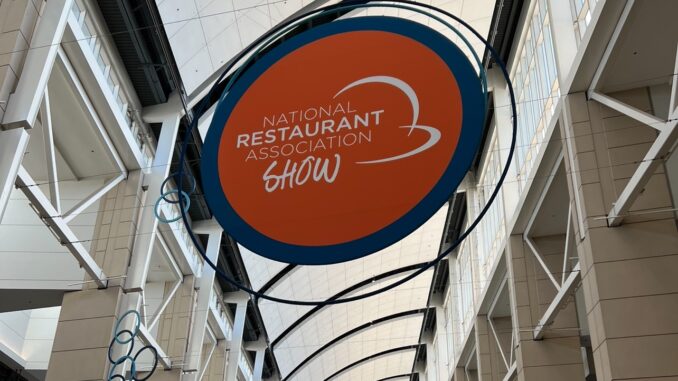
As the foodservice industry continues to face mounting pressures—from chronic labor shortages and rising operating costs to increasingly tech-savvy consumers—many restaurant operators are rethinking the fundamentals of how they run their businesses. For thousands of these decision-makers, the 2025 National Restaurant Association Show, which took place May 17–20 at Chicago’s McCormick Place, served as a launchpad for the next wave of innovation.
With over 2,000 exhibitors and more than 900 product categories on display, this year’s show was the most tech-forward yet. The event shined a spotlight on practical innovation—tools and technologies that not only dazzle but solve real-world operational problems and drive measurable ROI.
In previous years, automation was often relegated to novelty demos or futuristic prototypes. In 2025, it’s the norm. “What stands out this year is the momentum in key areas like automation, AI integration, and labor-optimizing equipment,” says Caitlin Rodgers, Senior Director of Marketing at Informa Connect Foodservice Group.
Smart technologies like AI-powered food prep stations, IoT-connected refrigeration, and autonomous order pickup lockers (such as the newly launched Apex OrderHQ Array Series) are no longer fringe solutions—they’re rapidly entering mainstream deployment. Expect to see an explosion of ventless and stackable kitchen equipment, robotic fry stations, and fully integrated BOH automation systems designed to reduce overhead and increase throughput.
For example, AI-integrated line management systems are now able to forecast kitchen prep needs by analyzing foot traffic, online order volume, and reservation pacing in real time. In a sector where every second of kitchen downtime matters, this level of operational intelligence is no longer a luxury—it’s table stakes.
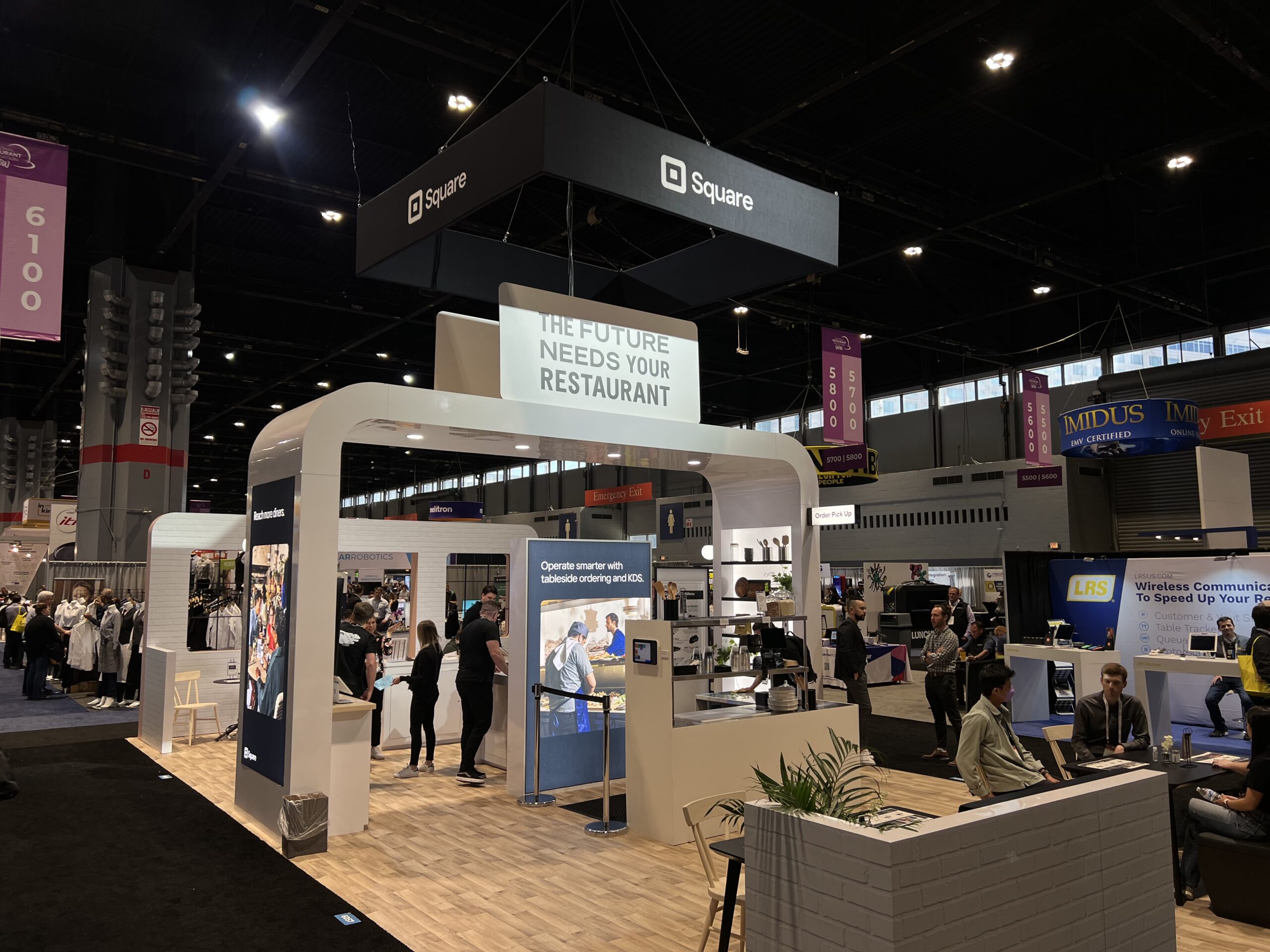
One of the most anticipated areas of the show is the expanded TECH Pavilion, which now spans several halls and will host dozens of startups and established brands unveiling their latest tech solutions. Here, attendees can explore:
-
AI-powered POS and payment solutions
-
Predictive inventory management software
-
CRM platforms with dynamic offer personalization
-
Data analytics dashboards designed for unit-level and enterprise visibility
-
SaaS platforms for workforce management, onboarding, and scheduling
The TECH Pavilion’s appeal lies not just in showcasing new tools, but in demonstrating how these systems integrate to form comprehensive ecosystems. Many vendors are now pushing API-first platforms that play well with existing tech stacks, a major shift from the closed ecosystems of the past decade.
The Kitchen Innovations (KI) Awards remain a cornerstone of the show, spotlighting equipment that solves critical industry challenges—particularly those tied to labor and sustainability. Among the 2025 KI Award winners are:
-
A fully modular ventless grill that reduces hood requirements and energy consumption
-
An AI-powered beverage system that automatically customizes drink formulations based on order data
-
A robotic prep assistant capable of chopping, portioning, and plating with minimal supervision
What unites these technologies is not just automation, but adaptability—the ability to retrofit into existing operations without expensive remodels or extensive training.
Perhaps the most important shift evident at this year’s show was the move toward platform-based thinking. Operators are no longer looking for one-off solutions to specific problems—they’re seeking unified platforms that deliver control, flexibility, and visibility across the entire guest journey.
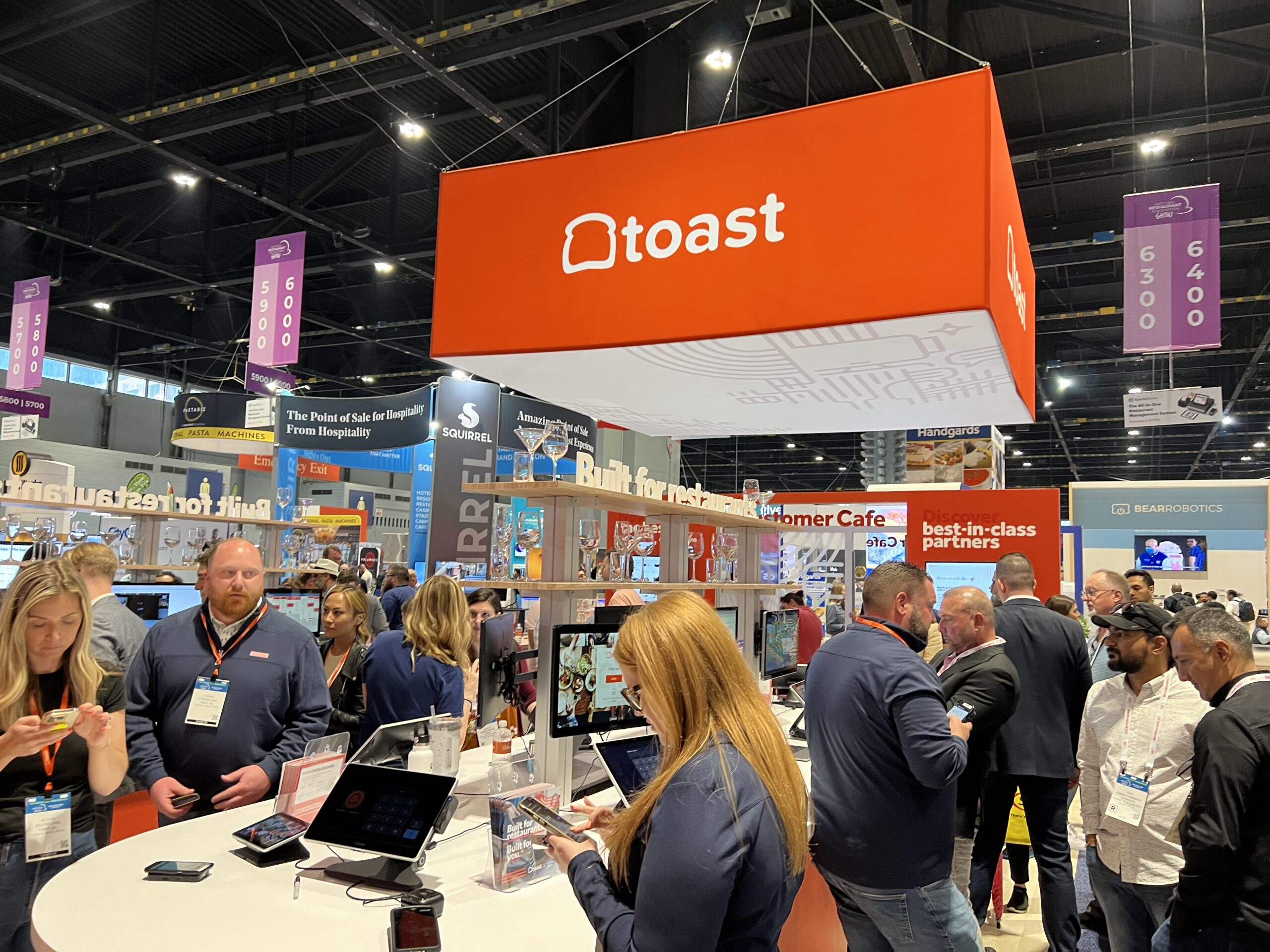
Exhibitors like Toast, SpotOn, Olo, and Infor are responding by expanding their product ecosystems. This includes solutions that connect POS, online ordering, loyalty, guest messaging, kitchen management, and business intelligence into one real-time interface. In some cases, providers are leveraging machine learning to help operators identify sales trends, optimize menus, and reduce food waste—all from a single dashboard.
Beyond the show floor, the 2025 NRA Show will host dozens of educational sessions, including a keynote conversation with The Bear co-executive producer and chef Courtney Storer, alongside restaurateur and James Beard Award-winner Donnie Madia. Breakout sessions will explore tech topics like:
-
Choosing the right vendor partnerships
-
Navigating the fast-evolving AI regulation landscape
-
Balancing automation with hospitality
-
Cybersecurity for restaurants in the era of cloud POS
Additional tracks focused on menu innovation, sustainability, and workforce development, creating a well-rounded agenda for operators across all segments.
This year also introduced new networking experiences, including a May 17 kickoff event in the Kitchen Innovations Showroom, as well as guided show floor tours focused on technology, sustainability, and operations. These curated tours are designed to help attendees prioritize what matters most to their businesses—whether that’s digital transformation, guest personalization, or energy efficiency.
The buzz around this year’s show wasn’t just about bigger booths or shinier gadgets—it was about urgency. The restaurant industry has reached a tipping point where digital transformation is no longer optional. With labor shortages still plaguing much of the sector and consumer expectations for speed, personalization, and quality at an all-time high, restaurant operators know they need to evolve—or be left behind.
A 2025 report from Deloitte found that 74% of restaurant operators are planning to increase their tech investment this year, with 61% prioritizing automation and 53% focused on digital guest engagement tools. At the same time, nearly half of operators say they are overwhelmed by the number of available options and uncertain how to move forward. That’s where the National Restaurant Association Show comes in—helping operators not only see what’s next but understand how to get there.
The 2025 National Restaurant Association Show highlighted just how quickly restaurant technology is evolving from a collection of point solutions into a more integrated operational ecosystem. AI was everywhere on the show floor, but the conversation had clearly shifted beyond hype. Technology providers focused heavily on practical applications tied to labor optimization, predictive analytics, kitchen efficiency, and guest engagement rather than futuristic concepts with limited real-world applicability.
One of the most noticeable trends was the continued expansion of handheld POS systems and mobile ordering technologies across both quick-service and full-service environments. Operators were increasingly focused on improving throughput, reducing payment friction, and streamlining front-of-house workflows. Several major POS and payments providers showcased deeper integrations between ordering, loyalty, labor management, and analytics platforms, reflecting growing operator demand for unified systems rather than disconnected tools.
Automation also played a major role throughout the show. Kitchen robotics, AI-powered drive-thru ordering, smart kitchen display systems, and automated beverage solutions drew significant attention, particularly from multi-unit operators looking to improve consistency and offset labor challenges. At the same time, many exhibitors emphasized that automation works best when supporting employees rather than replacing them entirely. The industry’s focus appeared to be shifting toward operational augmentation rather than full-scale labor replacement.
Another key takeaway from the 2025 show was the growing importance of data visibility and real-time operational intelligence. Vendors increasingly positioned their platforms around centralized reporting, forecasting, inventory optimization, and guest behavior analytics. Restaurant operators showed strong interest in systems capable of connecting online ordering, loyalty, labor scheduling, and inventory management into more unified platforms capable of supporting faster and more informed decision-making.
Overall, the 2025 National Restaurant Association Show reinforced that restaurant technology is entering a more mature and operationally focused phase. Operators appeared less interested in novelty and more focused on solutions capable of improving efficiency, reducing complexity, and delivering measurable business results. As labor pressures, margin challenges, and consumer expectations continue reshaping the industry, the technologies gaining traction are increasingly those that integrate seamlessly into day-to-day restaurant operations while helping operators make faster, smarter, and more profitable decisions.
