
By Lea Mira, RTN staff writer - 7.10.2026
Hostie, the San Francisco-based startup building an AI-powered virtual concierge for restaurants, has raised $12 million in Series A funding as operators look for new ways to manage rising volumes of calls, texts, reservations, takeout requests, private event inquiries and guest questions without adding more pressure on front-of-house teams. The round was led by Obvious Ventures, with participation from Gradient, Scribble Ventures, Burst Capital and Behind Genius Ventures, bringing Hostie’s total funding to $16 million.
The investor group also includes restaurant operators and hospitality leaders, including Tim Stannard of Bacchus Management Group and Stuart Brioza, Nicole Krasinski and Elizabeth DePalmer of Atomic Workshop. Hostie is also advised by several restaurant technology veterans, including Thomas Layton, former CEO of OpenTable; Mike Dodson, former SVP of Sales at OpenTable and current Resy board member; and Mike Stoppelman, former VP of Engineering at Yelp.
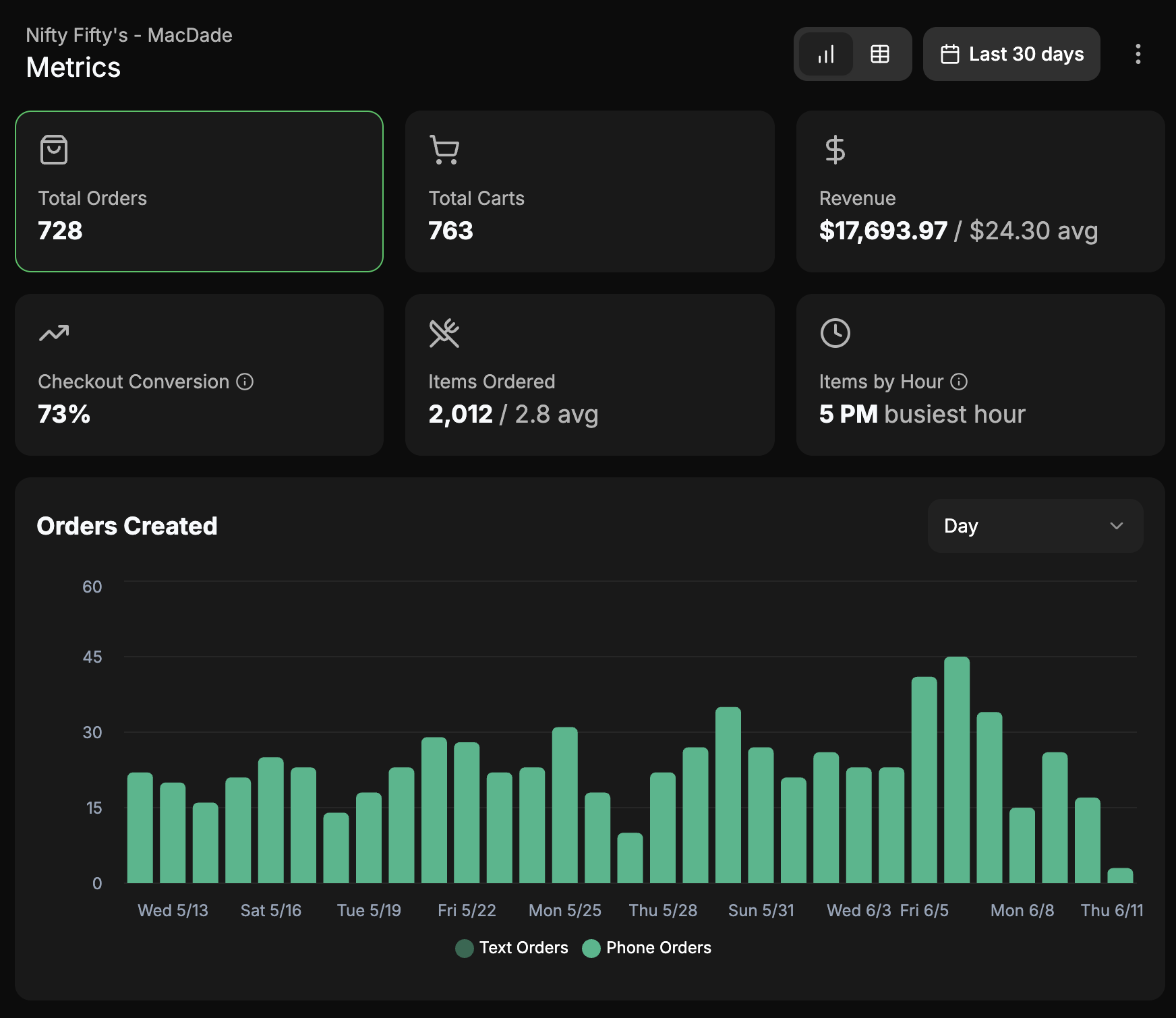 The mix of restaurant operators, hospitality investors and technology executives is notable because restaurant AI has to work in a very specific operating environment. Restaurants need tools that can respond quickly, but speed alone is not enough. A guest asking about a table for six, a private dining inquiry, a patio request or a food allergy question is not simply looking for an automated answer. The interaction has to feel natural, accurate and consistent with how the restaurant wants to present itself. Hostie plans to use the new capital for product development and leadership expansion.
Founded by restaurant operators, Hostie is focused on one of the industry’s most persistent operational problems: missed guest communication. Restaurants field calls and messages throughout the day, often at the exact moments when staff members are least able to respond. A ringing phone during a dinner rush can mean a missed reservation, a frustrated guest, a delayed takeout order or a private event inquiry that never gets captured.
“At Back to Back, I saw firsthand how difficult it became for restaurant teams to keep up with the growing volume of guest communication while still delivering great hospitality,” said Randall Hom, co-founder and CEO of Hostie and co-owner of Back to Back in San Francisco. “Restaurants are being asked to manage more calls, texts, reservations, takeout, and guest questions than ever before. We built Hostie to help teams keep up with that demand while staying focused on the people in front of them.”
The company says its revenue grew 10 times over the past year as hundreds of restaurants nationwide adopted the platform. To date, Hostie says it has handled more than 2 million guest conversations and 24 million messages, booked more than 400,000 covers and supported more than 50,000 private event inquiries. Customers include Flour + Water Hospitality Group, Riviera Dining Group, Bacchus Management Group, Cactus Club Cafe, Cunningham Restaurant Group, Merchants Hospitality, State Bird Provisions, Wayfare Tavern, Mirra and The Progress.
Those numbers reflect how much restaurant guest communication has changed. For years, technology investment focused heavily on point-of-sale systems, online ordering, delivery integration, labor tools and loyalty platforms. Guest communication often remained fragmented across phone calls, reservation platforms, websites, texts, direct messages and email inboxes. In many restaurants, those conversations are still managed by hosts, managers, owners or whoever happens to be close enough to pick up the phone.
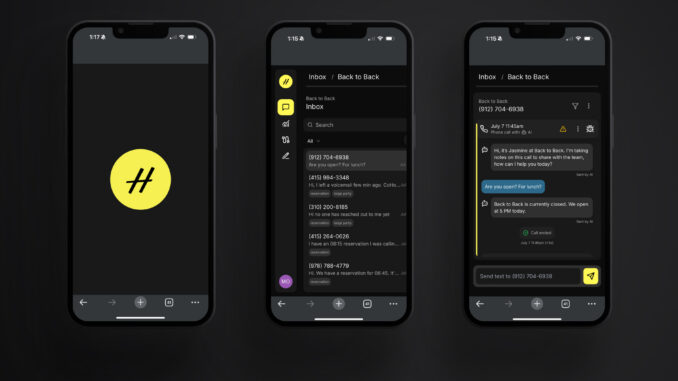
Hostie is built for that gap. The platform is designed to manage calls, texts, reservations, takeout inquiries, private event requests and guest questions while allowing restaurant staff to stay focused on in-person hospitality. The company is not positioning AI as a replacement for service. Its value proposition is that too much hospitality labor is being consumed by repetitive questions and inbound requests that can be handled more consistently with the right automation.
The platform can answer common questions about hours, location, parking, dress code, menus, allergies, patio seating, reservation availability, takeout options and private dining. For restaurants that receive high volumes of repeat questions, the value is not only faster response times, but also greater consistency. Guests get answers even when the restaurant is closed, short-staffed or in the middle of service, while employees avoid being pulled away from guests already in the dining room.
Reservation-related workflows are another core use case. Hostie can help guests book tables, modify reservations, ask about availability and receive relevant information before they arrive. That functionality is especially important for full-service restaurants, where missed calls can translate directly into lost covers. By handling routine booking questions and escalating more complex requests when needed, Hostie can help restaurants capture demand that might otherwise be lost during busy periods.
Private events may be one of the more valuable areas of functionality. Event inquiries often require more than a simple answer, and they can arrive through multiple channels at inconvenient times. Hostie can help collect key details such as date, party size, preferred timing, type of event, dietary needs and special requests, giving restaurant teams a more organized starting point for follow-up. For operators, that can turn a fragmented inquiry process into a more structured lead-capture workflow.
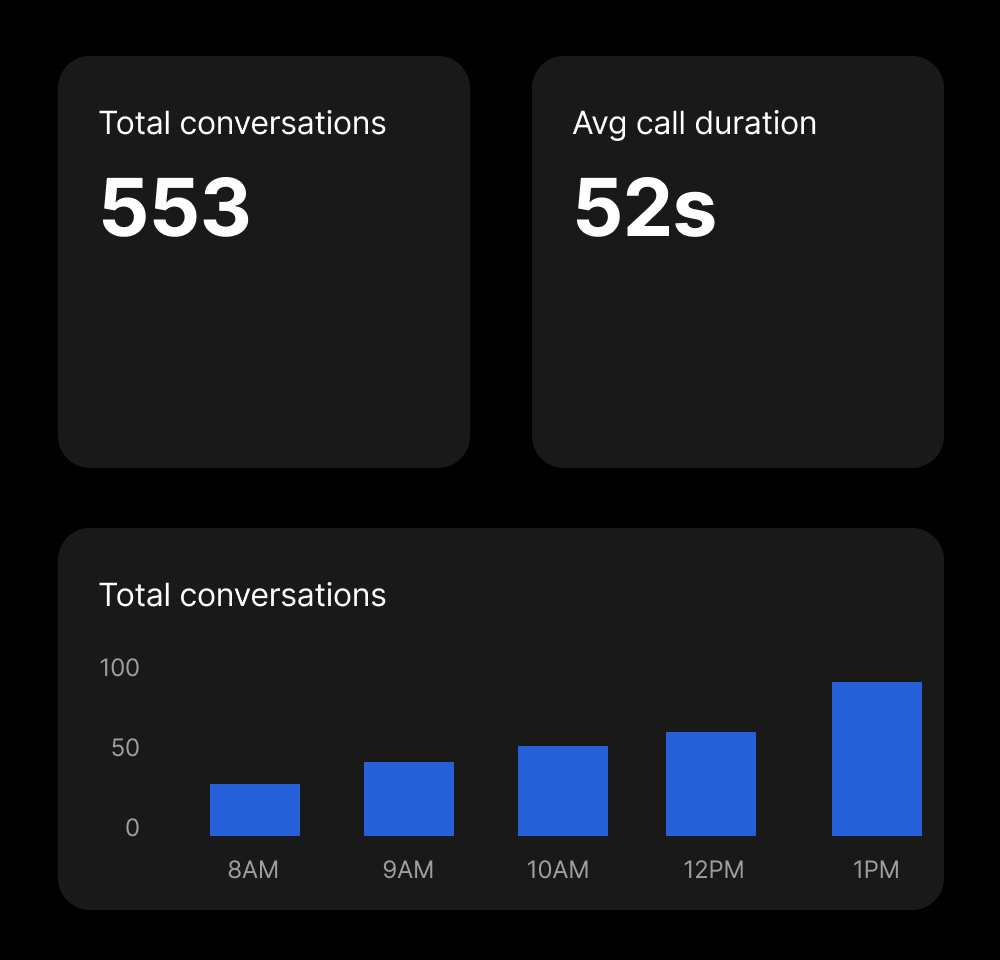 The private events opportunity is especially important because these inquiries can represent significant revenue. Restaurants that miss or delay responses may lose business to competitors that follow up faster. Hostie’s support for more than 50,000 private event inquiries suggests that restaurants are using the platform not only to reduce routine call volume, but also to capture higher-value demand that requires timely follow-up.
Takeout and guest-service questions are also part of the platform’s appeal. Guests may want to know whether an item is available to go, whether substitutions are possible, how long an order will take or how to handle a special request. In many restaurants, those questions interrupt staff members who are already managing service, packaging orders or coordinating with the kitchen. Hostie gives operators a way to handle more of those interactions without letting guest responsiveness suffer.
The quality of the guest experience depends heavily on tone and context. A restaurant concierge cannot sound generic, overly robotic or disconnected from the brand. Hostie’s system is designed to respond in a restaurant’s voice while drawing on restaurant-specific information, policies and workflows. That makes setup, training and ongoing accuracy critical, because each restaurant has its own way of handling reservations, seating preferences, cancellations, dietary questions and private events.
The platform’s broader opportunity is to become a communication layer across the guest journey. Before a visit, it can answer questions and help secure a booking. During the ordering or planning process, it can reduce friction and capture details. After the initial inquiry, it can route information to the right person or system so the restaurant team has context when human follow-up is needed. That combination of automation and handoff is where the platform can create value beyond simple call deflection.
Independent restaurants and small hospitality groups may have the clearest need. Large chains often have call centers, enterprise systems and dedicated digital teams. Independent restaurants usually do not. A manager may be responsible for service, staffing, vendor issues, guest recovery and private events while also answering the phone. Hostie’s opportunity is to bring a more sophisticated communication layer to restaurants that would not otherwise have the staff or infrastructure to manage every inbound guest request.
The company is entering a category where restaurant voice AI and guest communication tools are attracting more attention. Companies such as Slang.ai, ConverseNow and SoundHound AI are helping restaurants automate calls, ordering and other conversational interactions. Larger restaurant technology platforms are also adding more automation across POS, reservations, websites, marketing and guest engagement. Hostie’s opportunity is to stand out not simply as an AI answering tool, but as a restaurant-specific concierge platform that can manage a broader range of guest communication and operational workflows.
The complexity of hospitality communication is easy to underestimate. A guest asking whether a restaurant can accommodate a dietary restriction may also need menu guidance, timing recommendations or reassurance before booking. A private event inquiry may need to be qualified and routed. A reservation request may need to account for party size, seating preferences, special occasions and house policies. The more closely an AI platform understands these workflows, the more useful it becomes to operators.
For AI vendors, trust remains the central challenge. Restaurants cannot afford inaccurate answers, mishandled reservations or guest communication that feels off-brand. A platform like Hostie has to be grounded in restaurant-specific information, including hours, policies, menus, seating rules, reservation availability, integrations and escalation procedures. It also has to know when not to answer and when to bring a person into the conversation.
Operator experience may help Hostie here. Hom’s background as a restaurant co-owner gives the company a practical view of the everyday pressure points that shape restaurant communication. The participation of restaurant investors adds another layer of validation from operators who understand that restaurant software succeeds only when it fits naturally into service.
The funding lands at a time when restaurant AI is moving from curiosity to practical deployment. Drive-thru voice AI, AI-assisted scheduling, automated marketing, inventory forecasting and guest communication tools are all gaining traction. The shared theme is not replacing restaurant teams, but helping lean teams manage more complexity. Restaurants are being asked to operate across more channels, respond faster, personalize more effectively and protect margins in a difficult cost environment.
Hostie’s next phase will likely depend on execution in several areas. The company will need to keep improving accuracy, deepen integrations, expand product capabilities and prove that its AI can deliver measurable business outcomes beyond call deflection. Restaurants will want to see whether Hostie increases booked covers, captures more event leads, reduces missed calls, improves response times and helps staff focus on in-person hospitality.
Restaurant operators are no longer asking whether AI will affect the industry. They are asking which use cases can produce immediate operational value without damaging the guest experience. Guest communication is one of the clearest answers. It is high-volume, labor-intensive, revenue-sensitive and often poorly served by existing workflows.
Hostie’s $12 million Series A gives the company the resources to compete in a category that is likely to become more crowded. Specialist AI vendors will continue to push into restaurant communication, while larger POS, reservation and guest engagement platforms will add more automation to their own products. The strongest companies in the category will be the ones that combine AI capability with restaurant workflow knowledge, strong integrations and a hospitality sensibility that operators trust.
Hostie enters this next phase with momentum, operator credibility and a problem that restaurants recognize immediately. The phone still rings, guests still expect quick answers, and staff still have only so much attention to give. If Hostie can continue turning routine communication into automated, brand-appropriate hospitality, it could become an important part of the next generation of restaurant guest experience technology.
