
By Dustin Stone, Gavriel Shohet and Lea Mira, RTN staff writers - 6.22.2026
Restaurant operators closely track food costs, labor expenses and inventory levels, yet one of the largest controllable expenses in many kitchens often receives far less attention: fryer oil. As operators continue searching for new ways to improve profitability, fryer oil management is emerging as an overlooked opportunity to reduce waste, improve food quality and strengthen margins.
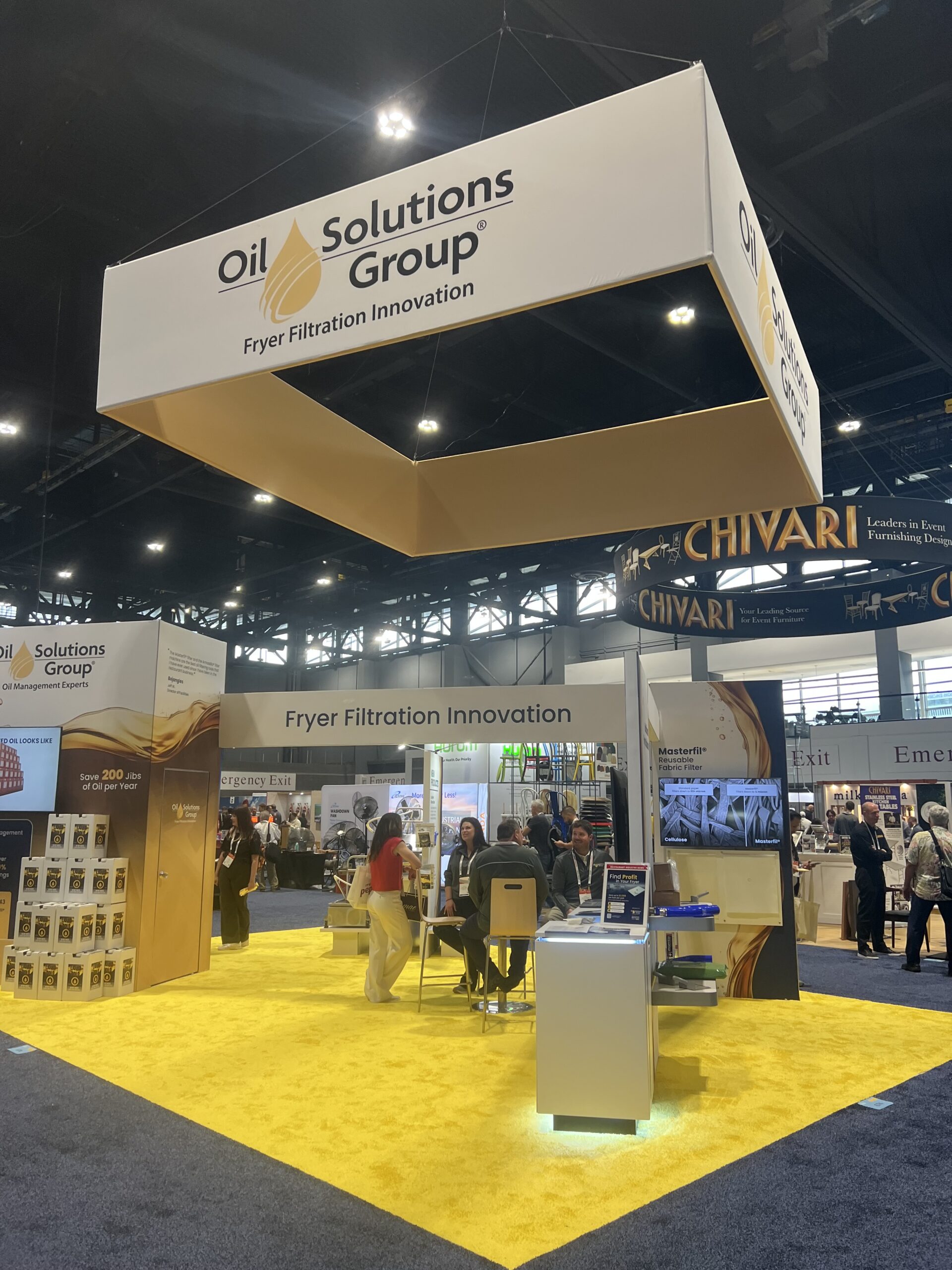
That theme was increasingly visible at this year’s National Restaurant Association Show, where exhibitors highlighted solutions designed to help operators improve efficiency, reduce waste and optimize kitchen performance. Among them was Oil Solutions Group (OSG), which showcased technologies focused on extending fryer oil life, reducing operating costs and helping restaurants take a more strategic approach to one of their most frequently consumed kitchen resources.
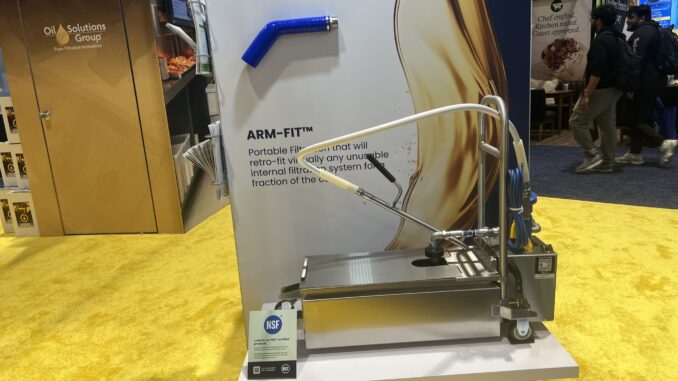
At the show, OSG highlighted its flagship Masterfil reusable filtration technology and related oil-management solutions designed to help operators maximize oil life while reducing waste. The company’s presence reflected growing industry interest in practical technologies that improve kitchen efficiency and profitability without requiring major changes to menu offerings or restaurant operations.
At first glance, fryer oil filtration may not seem like a technology story. Yet for restaurants that depend heavily on fried foods, cooking oil represents a significant operating expense that directly affects food quality, consistency, sustainability and profitability. As margins remain under pressure across the industry, many operators are discovering that better oil management can produce meaningful financial and operational benefits.
Oil Solutions Group has built its business around that premise. Rather than focusing solely on filtration equipment, the company positions itself around helping restaurants reduce oil consumption, extend oil life and improve kitchen performance. The result is a value proposition that connects directly to some of the industry’s most pressing challenges.
For many restaurants, fryer oil is treated as a consumable commodity. Oil is purchased, used and discarded according to schedules that often rely on employee judgment rather than objective performance standards. That approach can lead to unnecessary oil replacement, inconsistent food quality and higher operating costs.
OSG’s approach encourages operators to think differently. By extending the usable life of fryer oil through more effective filtration and maintenance practices, restaurants may be able to reduce purchases, minimize waste and improve consistency without changing menu offerings or operational models.
The financial implications can be significant. Cooking oil prices have experienced considerable volatility in recent years, creating additional pressure on restaurant margins. While operators have invested heavily in inventory management, labor optimization and food-cost controls, fryer oil often remains one of the least scrutinized cost categories in the kitchen. That dynamic creates an opportunity. Small improvements in oil utilization can generate measurable savings, particularly for quick-service restaurants, convenience stores, stadiums, entertainment venues and other high-volume operations that rely heavily on fried menu items.
At the center of OSG’s portfolio is Masterfil, a reusable filtration system designed to help extend fryer oil life while reducing reliance on disposable filters. Unlike traditional filtration approaches that require ongoing replacement of filter media, Masterfil is engineered to provide long-term filtration performance while helping operators lower consumable costs and reduce waste.
The concept is straightforward but increasingly relevant. As sustainability initiatives become more important throughout foodservice, operators are looking for practical ways to reduce waste while improving financial performance. Masterfil’s reusable design addresses both objectives simultaneously.
Reducing disposable filter consumption may seem like a relatively small operational change, but the cumulative impact can be meaningful across large restaurant systems. When combined with reduced oil usage, the result can contribute to both cost savings and environmental goals.
One of the more compelling aspects of OSG’s value proposition is that sustainability and profitability are closely aligned. Extending oil life can reduce the amount of fresh oil purchased, decrease the volume of used oil requiring disposal and minimize the consumption of disposable filtration materials. Those outcomes can support environmental initiatives while simultaneously lowering operating expenses.
Food quality is another important consideration. Fryer oil condition directly affects flavor, texture, appearance and consistency. Oil degradation can lead to darker products, off-flavors and inconsistent results. Maintaining cleaner oil for longer periods can help restaurants deliver more consistent food quality while supporting brand standards.
This creates a broader connection between oil management and customer experience. While guests rarely think about fryer oil directly, they notice the quality of the finished product. Crispness, color, taste and consistency can all be influenced by oil condition. Technologies that improve oil management therefore contribute not only to operational efficiency but also to guest satisfaction.
Labor considerations represent another important factor. Restaurant operators continue facing staffing shortages and turnover challenges. Procedures that simplify routine maintenance tasks can help improve execution while reducing dependence on employee experience levels. Streamlined filtration processes make it easier for teams to maintain oil quality consistently, even in high-turnover environments.
The company’s value proposition also aligns with a growing focus on operational discipline. Many restaurant organizations have embraced data-driven approaches to inventory, labor and sales management. Fryer oil management is increasingly becoming part of that broader operational-efficiency conversation.
While OSG’s solutions are not software platforms in the traditional sense, they address a similar objective: helping operators manage resources more effectively. In this case, the resource happens to be one of the most frequently used and frequently replaced ingredients in the kitchen.
High-volume foodservice environments may be particularly well-positioned to benefit. Quick-service restaurants, convenience retailers, grocery prepared-food departments, sports venues and institutional foodservice operations often process large quantities of fried products each day. Even modest improvements in oil utilization can create substantial cumulative savings across those environments.
The company also emphasizes the operational consistency that comes from standardized oil-management practices. When oil is maintained properly and replaced based on performance rather than guesswork, restaurants can achieve more predictable results while reducing variability between locations and shifts.
One of the more interesting aspects of OSG’s positioning is that the company focuses on an area of restaurant operations that is often overlooked. The industry tends to focus heavily on customer-facing technologies such as digital ordering, loyalty platforms and artificial intelligence. Yet some of the most meaningful improvements occur behind the scenes in kitchen operations.
Oil management falls squarely into that category. It may not attract the same attention as emerging consumer technologies, but it can have a direct impact on profitability, food quality and sustainability. As operators continue looking for practical ways to improve performance, these types of operational technologies are becoming increasingly important.
The competitive landscape includes various filtration systems, oil-management solutions and kitchen-equipment providers. Oil Solutions Group differentiates itself through its focus on extending oil life, reducing waste and helping operators maximize the value of an often-overlooked resource. Ultimately, the company’s story is not really about filtration equipment. It is about helping restaurants manage a critical operating expense more effectively. In an environment where margins remain under constant pressure, seemingly small operational improvements can produce meaningful results.
As restaurants continue searching for ways to improve efficiency and profitability, fryer oil management is gaining recognition as a strategic opportunity rather than a routine maintenance task. Oil Solutions Group is helping drive that shift by encouraging operators to view fryer oil not simply as a consumable commodity, but as an asset that can be managed more intelligently. In an industry where every percentage point matters, that perspective may prove increasingly valuable.
